How Much Should I Tip My Puerto Vallarta Tour Guide?
Honest, practical tipping guidance for Puerto Vallarta tours: typical ranges by tour type, cash and peso basics, who else deserves a tip, and what to do when a tour falls short.
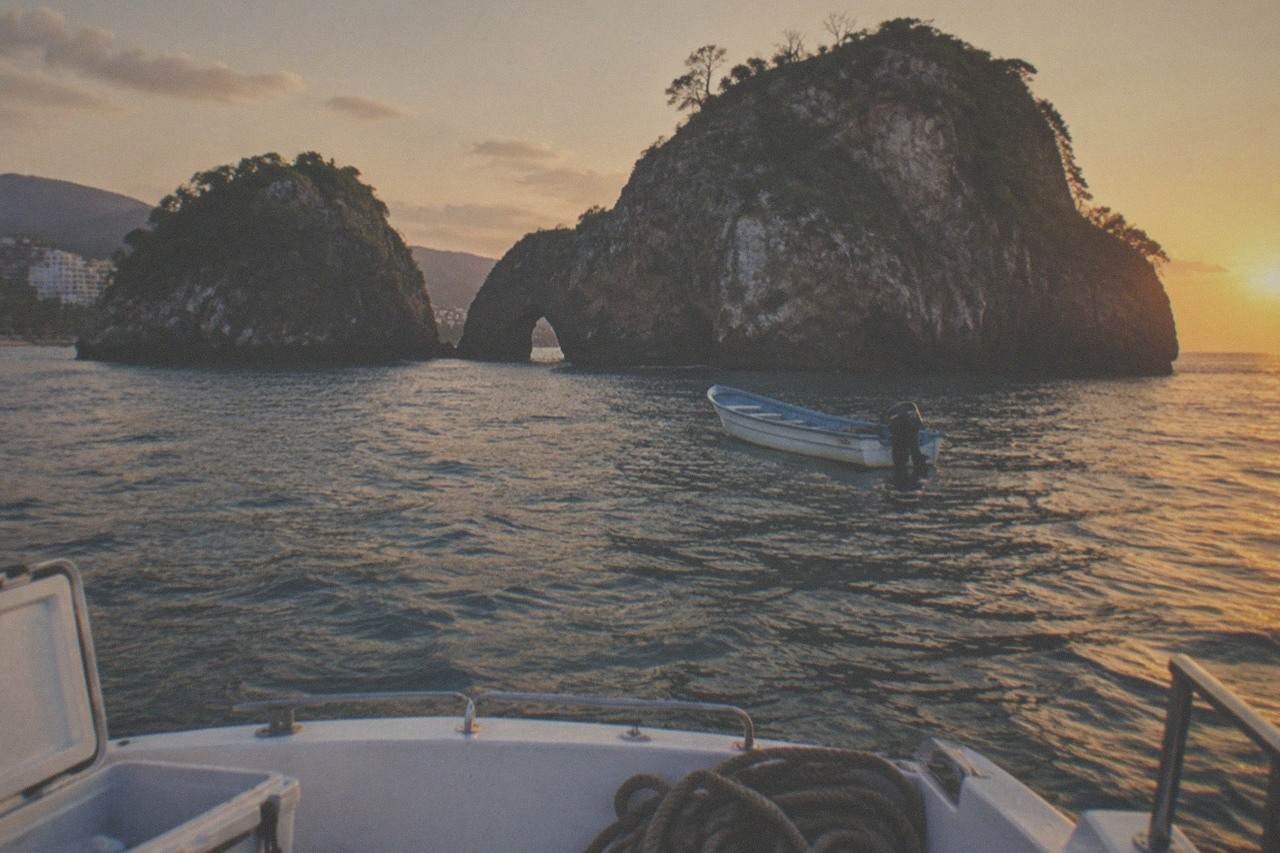
How Much Should I Tip My Puerto Vallarta Tour Guide?
There is no fixed rule, but the working norm in Puerto Vallarta is roughly 10 to 20 percent of your tour price, or a flat 100 to 150 MXN per person for a half-day tour and 150 to 300 MXN for a full day. Small-group and private tours sit at the higher end. Cash in Mexican pesos is expected, and it goes directly to the guide or crew at the end.
That range is deliberately wide because tour prices in Puerto Vallarta vary enormously. A three-hour boat trip might cost $45 per person, while a full-day all-inclusive catamaran to the Marietas Islands runs from $120. Ten percent of one is a very different bill from ten percent of the other, and guides on both boats do comparable work.
A useful way to think about it: the tip is not part of the advertised price, but it is part of the real price. Wages in Mexican tourism are modest, and tipping supplements them in a way that is understood by everyone involved. Nobody will chase you for skipping a tip, but on small-group tours where the guide has spent hours with you, it is noticed.
The type of tour changes the math more than the price does. A walking food tour with one guide and eight guests is a different tipping situation from a 100-passenger catamaran with a captain, deckhands, entertainers, and a bar crew, where the box at the exit collects for everyone at once.
If you are still choosing what to book, these three cover the main tipping scenarios on the site: a full-day all-inclusive boat tour, a small-group ATV ride, and a guided food walk.
What Are The Typical Tipping Amounts By Tour Type?
For boat and snorkel tours, plan on 10 to 15 percent of the ticket or 150 to 300 MXN per person. For ATV and zipline tours, 100 to 150 MXN per person to the lead guide, with a separate small amount for support staff. For food and walking tours, 15 to 20 percent of the tour price is the comfortable norm. Private tours warrant the top of each range.
These figures are planning ranges drawn from general Mexico tour-tipping norms, not any operator's published policy. No tour operator on the roster states a mandatory tip, and none should; a tip that appears on your bill as a requirement is a service charge, which is a different thing. Treat the numbers below as a budgeting aid and adjust for the service you actually received.
| Tour type | Typical range | Who receives it | Notes |
|---|---|---|---|
| Boat and snorkel tours | 10-15% of ticket, or 150-300 MXN per person | Guide and boat crew, often via a shared box | Higher for all-inclusive full days |
| Whale watching | 10-15%, or 150-300 MXN per person | Guide and crew | Tip on effort and knowledge, not sightings alone |
| ATV and RZR tours | 100-150 MXN per person | Lead guide, plus support riders | Support staff often work the whole route for less pay |
| Zipline and canopy tours | 100-150 MXN per person | Guides, often split across the course | Some courses have guides at each platform |
| Food and walking tours | 15-20% of tour price | The single guide | Small groups, one guide, higher percentage |
| Private tours | 15-20% of tour price | Your dedicated guide | The whole day's income may come from your group |
Two practical notes on the table. First, the percentages and flat amounts are interchangeable, so use whichever is easier to calculate on the spot; on a $48 boat tour, both methods land within a few dollars of each other. Second, on tours where the crew pools tips, handing cash to one person is fine. The box at the gangway exists for the same reason.
For context on how a big all-inclusive day is priced, the flagship Marietas Islands National Park Full-Day All-Inclusive tour from Chica Locca runs from $120 per person with a 4.8 rating across 771 reviews, and the park itself charges a separate conservation wristband fee of $125 MXN per person per day, which is not a tip and does not go to the crew. CONANP, the national park service, publishes that wristband fee on its official page, and our Marietas Islands tour guide covers what the fee buys you at the gate.
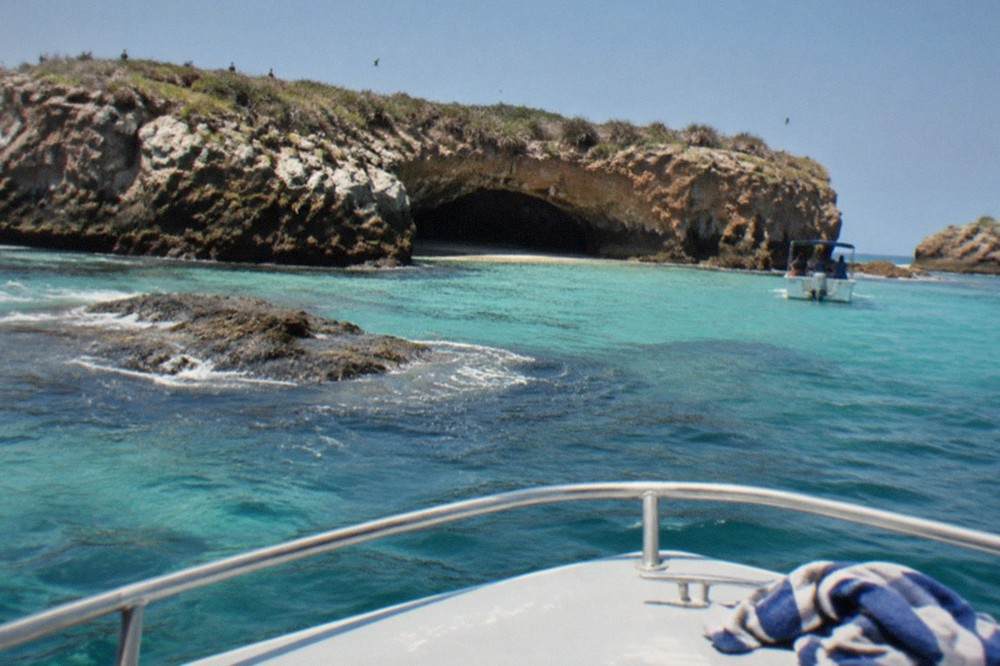
A common question is whether the all-inclusive label changes the tipping expectation. It does not. All-inclusive on a tour ticket means food and drinks are covered, not that service charges are distributed to the crew. On the contrary, all-inclusive boat days tend to involve more staff doing more work per guest, so if anything the crew tip deserves more thought, not less.
Should I Tip In Pesos Or US Dollars?
Pesos are strongly preferred, and small peso bills are the difference between a tip that lands immediately and one the recipient has to convert. Guides can technically take US dollars, but converting small foreign notes costs them time and often a poor exchange rate. Withdraw pesos from a bank ATM in Puerto Vallarta and break large notes into small ones before tour day.
The mechanics matter more than visitors expect. A 20 US dollar bill is a generous tip that the guide may not be able to break or use anywhere in their neighborhood, while the equivalent in pesos spends the same afternoon. Coins are the other trap: US coins cannot be exchanged at all in Mexico, so a pocketful of quarters is genuinely worthless to the person receiving it.
Cards rarely work for tips in this setting. Boats, trailheads, and beach exits are cash moments even on tours you booked and paid for digitally, so assume the tip is cash no matter how you bought the ticket.
Bank ATMs are dense in the hotel zone and the Romantic Zone, and they almost always beat the standalone machines in convenience stores on both fees and rates. If your tour is early morning, get cash the day before; the machine outside a marina at 7:30 a.m. is either empty, slow, or charging a premium.
One more thing worth knowing: some tours involve small cash moments beyond the tip. Water taxis to places like Yelapa are cash operations, and the published transport schedules list fares in pesos, so a mix of notes is useful even before you think about tipping. Budget the tip separately from those fares rather than draining your small notes mid-morning.
Who Else Should I Tip Besides The Guide?
On boat tours, the crew often deserves a share, usually through the tip box at the exit. On ATV and zipline tours, tip the lead guide plus a smaller amount for support riders and platform staff. On food tours, tip the guide only; the stops are paid by the tour company, so you do not tip separately at each eatery. Hotel pickup drivers sometimes get 20 to 50 MXN.
The support-staff point is the one most often missed. On a Sierra Madre ATV route, the lead guide rides at the front, but a second staff member often sweeps the rear of the group, manages breakdowns, and photographs the whole route, and that person is frequently paid less than the lead. A single tip handed to the lead guide with a request to share is normal and appreciated.
Zipline courses are similar. You may have two or three different guides across a course, clipping and unclipping your harness at each platform, plus a photographer selling pictures at the end. If there is a shared box, use it. If guides escort you the whole way, hand each of them something at the finish rather than only the last face you see.
Food tours are the exception to the multi-stop tipping instinct. The Downtown Vallarta Food Tour, a 5.0-rated walk with 3,943 reviews from $59, includes tastings that the operator has already paid for. Tipping at every taco stand would be double-tipping; the guide's percentage covers the whole experience. That tour is also a good example of where a higher percentage feels natural, since one guide handles history, routing, dietary needs, and the group's pace for three or more hours.
Whale watching deserves its own note on effort-based tipping. The season runs approximately December 8 to March 23 under federal regulation, and operators must keep minimum distances of 60 meters for small boats and 80 meters for larger ones, with a 30-minute limit per whale group, per the federal whale-watching notice. Those rules mean a good guide is working constantly: reading behavior, positioning the boat legally, and narrating what you are seeing. If a trip is well run but the whales are distant, the guide still did the job.
What If The Tour Was Disappointing, Do I Still Tip?
A tip is earned, not owed, so a genuinely poor tour does not require one. The honest middle path is a reduced tip with a word about what fell short, because often the problem is outside the guide's control, such as weather, a delayed boat, or a crowded site. Skip the tip only for real failures: rudeness, unsafe behavior, or a guide who abandoned the group.
Distinguishing the guide from the conditions is the key judgment. Rain that flattens a snorkeling day, murky visibility after summer runoff, or a whale trip with distant sightings are not the guide's fault, and docking their tip for them punishes the wrong person. Los Arcos visibility, for instance, is best November through May and can drop after rain in the summer months; a guide who rerouted a trip around that did good work even if the water was green.
Conversely, a guide who was knowledgeable, safe, and attentive has earned the range above even if the day had a wrinkle. If you want to reward or flag the difference, the review you leave matters too, and on small operators a thoughtful review is worth as much as the cash.
If a tour is cancelled or cut short, the usual practice is to tip on what was delivered, not what was promised. A half-day boat trip that turns back after ninety minutes because of swell is a shortened-trip tipping situation, and most crews will not expect otherwise. Weather policy questions are covered in more depth in our piece on what happens when rain hits a tour day.
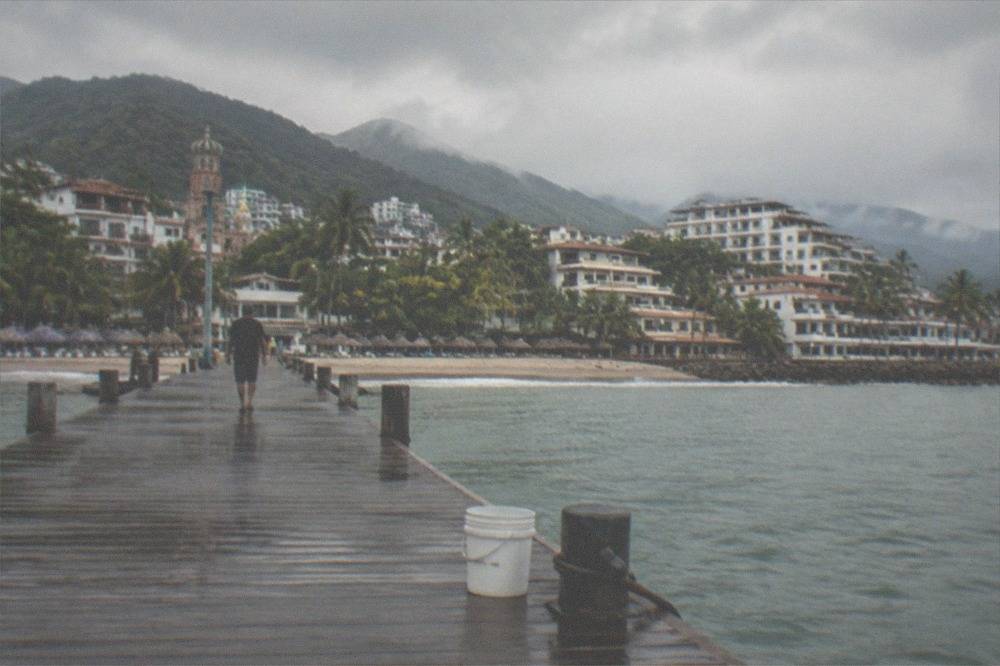
Groups splitting the decision should settle it before the walk to the exit. Nothing is more awkward than four people doing four different calculations on a moving dock, and a quick agreement while the boat is still coming in keeps the goodbye simple.
How Does Tipping Change For Private Tours And Big Groups?
Private tours sit at the top of the range, 15 to 20 percent, because your guide has dedicated the entire day to your group and often declined other bookings to do it. For big shared departures, per-person flat amounts work better than percentages, since a 15 percent calculation across 60 passengers would be an absurd sum for a two-hour sail.
The private-tour logic is simple economics. A guide taking one couple on a dedicated ATV and waterfall route from $94 has tied up a full day for two people, and the tip recognizes that exclusivity. The same reasoning applies to a private boat charter, where the crew's entire day belongs to your party.
On large shared boats, per-person thinking keeps things sane. If a sunset or whale cruise costs $85 to $110 per person, 150 to 300 MXN per guest into the crew box is a solid contribution that scales sensibly with the group. Nobody on a 100-person catamaran expects each guest to compute a percentage of the charter value.
If you are weighing whether a private tour is worth it in the first place, our comparison of private versus shared tours in Puerto Vallarta breaks down the cost trade-offs, and the tipping difference is part of that total.
A Simple Way To Decide On The Day
Carry small peso notes, decide your range before the tour starts, and adjust once for service quality at the end. Ten to twenty percent of the ticket, or the flat peso equivalents in the table above, covers almost every situation on the Puerto Vallarta roster. If the guide was excellent, say so out loud when you hand it over; that sentence costs nothing and is remembered longer than the bills.
The pre-deciding step is the one that removes all the awkwardness. Most tipping discomfort comes from doing mental math on a moving boat with an audience, and it disappears the moment the number is already decided before boarding. It also protects you from undertipping out of shyness, which is the more common failure among visitors, not overtipping.
The easiest place to apply this is the biggest ticket of the day. On the Marietas Islands National Park Full-Day All-Inclusive tour from Chica Locca, from $120 per person with a 4.8 rating across 771 reviews, the crew works a full day of gear, lunch service, and park coordination, so settling your crew amount when you book keeps the exit graceful instead of rushed.
For travelers who plan ahead on money matters generally, our guide to how far in advance to book a tour pairs well with this one, since the cash question is easier to solve a day early than at the dock. This site, Tours in Puerto Vallarta, keeps the full roster of verified tours and their real prices so you can budget ticket and tip together.
If you want one sentence to carry onto the boat: pesos in hand, ten to twenty percent in mind, and generosity weighted toward the person who actually made the day work.
Common Questions About Tipping Puerto Vallarta Tour Guides
How Much Should I Tip My Puerto Vallarta Tour Guide?
Plan on 10 to 20 percent of the tour price, or roughly 100 to 150 MXN per person for a half-day tour and 150 to 300 MXN for a full day. Boat and snorkel tours commonly land at 10 to 15 percent, food and walking tours at 15 to 20 percent, and private tours at the top of any range you use.
Should I tip in pesos or US dollars?
Pesos are strongly preferred, in small bills. US dollar notes can be exchanged but cost the recipient time and a poor rate, and US coins cannot be exchanged at all in Mexico. Withdraw pesos from a bank ATM the day before your tour and keep small notes for the tip.
Do I tip the boat crew separately from the guide?
On shared boat tours, a tip box at the exit usually covers the whole crew, so one contribution is enough. On small-group trips, handing cash to the guide with a request to share is normal. If specific crew members helped you individually, a direct small tip to them is also fine.
Is tipping mandatory on Puerto Vallarta tours?
No tour on the roster requires a tip, and a mandatory service charge added to your bill is a different thing from a tip. Tipping is expected as a norm of Mexican tourism, but the amount is yours to decide based on the service you received.
What if the guide was great but we saw no whales?
Tip on effort and knowledge, not sightings. Whale watching is regulated, with minimum approach distances and a 30-minute cap per whale group, so a guide who ran a safe, well-narrated trip did the job even if the animals stayed distant. Reduce or skip the tip only for genuine failures like rudeness or unsafe handling.
Do I tip at each stop on a food tour?
No. The operator pays for the tastings at each stop in advance, so tipping at every eatery would be double-tipping. Tip your single guide 15 to 20 percent of the tour price at the end of the walk.