What Happens If It Rains On A Puerto Vallarta Tour?
Rain on a Puerto Vallarta tour rarely means cancellation. Here is what actually happens, which tours still run, and how refunds and rebookings typically work.
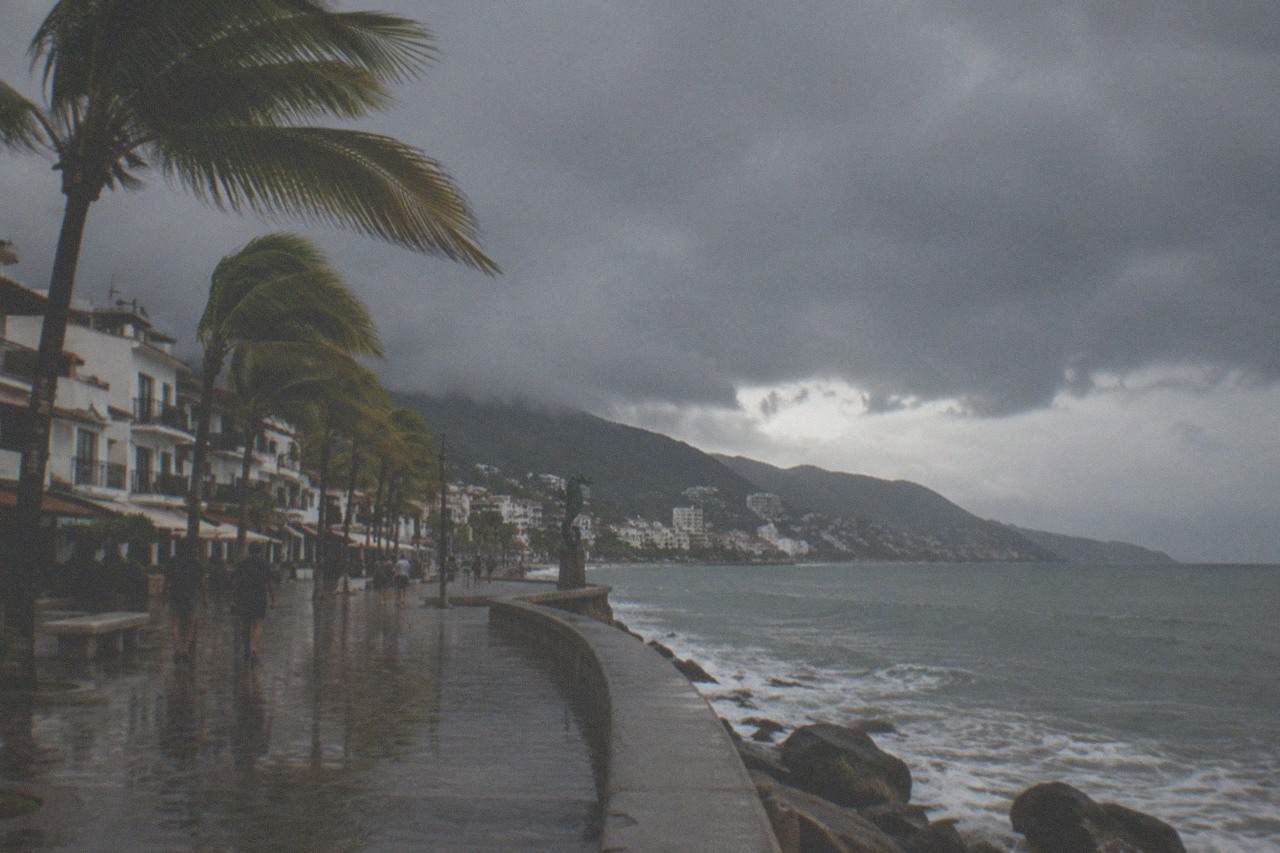
What Happens If It Rains On A Puerto Vallarta Tour?
Puerto Vallarta sits in the tropics, and tropical weather has a personality: mornings of flat calm, an afternoon cloud, a ten-minute downpour, then sun again by dinner. Visitors who booked a boat, an ATV ride, or a food walk often see those clouds build and assume the day is lost. It usually is not.
The short version is that most tours run in light rain, operators cancel or reschedule when there is a real safety issue, usually lightning, high swell, or an official port closure, and the vast majority of the year is dry anyway. The Eastern Pacific hurricane season runs May 15 through November 30, with peak risk concentrated in August through October, while the dry season from roughly November to May brings minimal rain. Understanding which side of that calendar you are on, and what your specific tour type can tolerate, tells you almost everything about what a rainy forecast means for your plans.
This page walks through the realistic outcomes: when tours run, when they stop, what happens to your money, and how to plan so a shower never ruins a trip.
What Happens If It Rains On A Puerto Vallarta Tour?
In most cases the tour runs anyway. Light rain, brief showers, and overcast skies rarely stop boat trips, snorkeling, ATV rides, or food walks in Puerto Vallarta. Operators cancel or reschedule only for genuine safety conditions, such as lightning, heavy sustained swell, or an official port closure, and the dry season from roughly November through May makes rain unlikely in the first place.
The rest of that answer depends on what you booked. A snorkeling trip to Los Arcos, twenty minutes from shore, tolerates weather that a full-day crossing to the Marietas Islands might not. A jungle ATV route can be better in rain, since the puddles and river crossings are half the fun. A walking food tour through the Romantic Zone moves under awnings and between stops without much disruption at all.
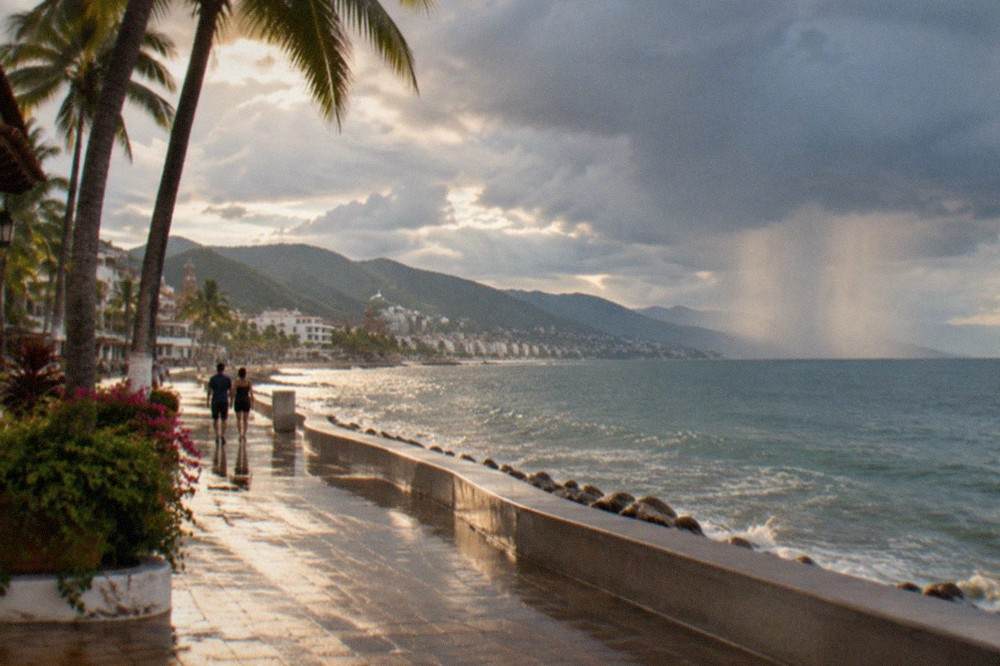
What catches visitors off guard is how local the rain is. A storm cell can sit over the hotel zone while the south shore bays stay dry, and a morning can look grim from a balcony while the bay itself is calm. Operators make the call from the water, not the weather app, which is why a tour that looks doomed from your window often departs on schedule. For a fuller picture of the calendar, our guide to the best time to visit Puerto Vallarta for tours breaks the year down month by month.
Does Rain Cancel A Tour Or Just Delay It?
Usually neither, in the sense that most tours simply run through it. When conditions are marginal, operators more often delay a departure by an hour or two than cancel it outright, since tropical showers frequently pass within thirty minutes. A true cancellation is reserved for lightning, dangerous swell, or an official closure of the port by the harbormaster, and those calls are made the same day, not the night before.
The decision chain matters for your planning. The Puerto Vallarta harbormaster can close the port to small vessels when swell or wind makes the bay unsafe, and when that happens every licensed boat tour stands down, regardless of how far along the bay it was headed. Land-based tours face a different threshold: ATV and zipline operators watch for lightning and trail conditions, and a wet trail is normal, while an electrical storm is not.
For booking strategy, the practical takeaway is to keep some slack in your schedule. If your tour is the single thing you most want to do, do not book it for your last day, because a same-day cancellation leaves you no room to rebook. Our piece on how far in advance to book a Puerto Vallarta tour covers this in more depth, including why the last 48 hours are the worst window for weather-dependent bookings.
Which Tours Still Run In The Rain?
Boat tours, snorkeling trips, catamaran cruises, ATV rides, and food walks all routinely operate in light rain. Water-based tours care about swell and wind rather than rainfall itself, jungle ATV routes are arguably better with some mud, and walking food tours simply move indoors between tasting stops. Rain alone is almost never the reason a Puerto Vallarta tour does not depart.
The distinction worth understanding is rain versus sea state. A rainy morning with a flat bay is a perfectly good snorkeling morning; the fish do not care, and Los Arcos marine park is a short run from departure points at Marina Vallarta, Mismaloya, or Boca de Tomatlán. What ends a boat day is wind and swell, which is why the same operator might run a trip through a shower and cancel a different day that is bone dry but rough.
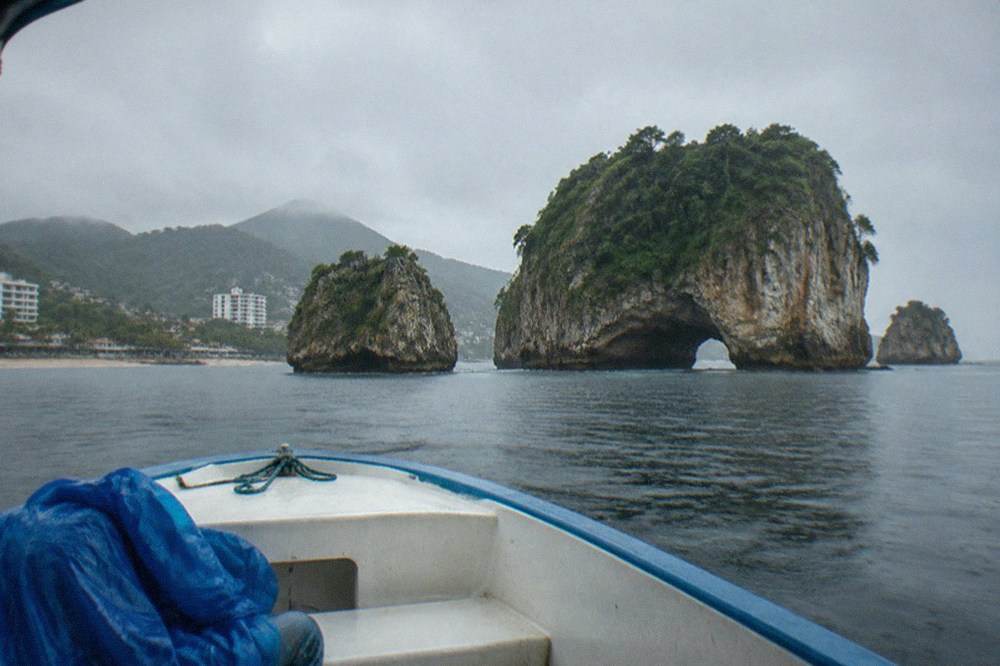
The 5 Islands of Los Arcos Boat Tour & Snorkeling, from $48 with a 4.6 rating from 389 reviews, is a good example of the type of trip that shrugs off a shower. The crossing is short, the snorkeling is in sheltered water around the islands, and the operator, Vallarta Nature Trips, runs small groups that can adapt timing around passing cells rather than writing off the day.
On land, the calculus flips. Jungle ATV routes along the Cuale River into the Sierra Madre foothills include river crossings, puddles, and dirt terrace roads, and those are features, not bugs, in the rain. The ATV/RZR Jorullo Bridge Experience, from $169 with a 4.7 rating from 555 reviews, takes riders across the Jorullo Bridge, a vehicular suspension bridge hanging roughly 150 meters above the Cuale River, and operators brief riders on wet-trail handling before departure. The main genuine stopper for jungle tours is lightning, since open ridgelines and steel cables are exactly where you do not want to be in an electrical storm.
Food and city tours are the most weather-proof category of all. Downtown food walks hop between taquerias, mezcalerías, and covered markets, so rain mostly means a slightly quicker pace between stops. The Downtown Vallarta Food Tour, from $59 with a 5.0 rating from 3,943 reviews, is the roster's strongest-reviewed product and runs in nearly all conditions.
| Tour type | Runs in light rain? | Typical deal-breaker | Notes |
|---|---|---|---|
| Snorkeling boat trips | Yes | High swell, port closure | Short crossings to Los Arcos tolerate showers well |
| Luxury yacht cruises | Yes | Rough sea state | Covered decks and cabins give shelter |
| ATV / RZR jungle rides | Yes, often better | Lightning, flooded trail crossings | Mud is part of the experience |
| Ziplines and canopy tours | Usually | Lightning, high wind | Steel cables and exposed platforms are the risk |
| Food and city walking tours | Yes | Almost nothing | Stops are indoors or under cover |
| Whale watching | Yes | Port closure, very rough bay | Rain does not affect the whales |
Which Tours Get Called Off For Weather?
Full-day boat crossings to the Marietas Islands, zipline and canopy tours in lightning, and any boat trip during an official port closure are the most weather-sensitive bookings. The Marietas crossing is longer and exposed to open bay conditions, Playa del Amor access depends on sea state for the tunnel swim, and electrical storms stop canopy tours outright because of the cables and exposed platforms.
The Marietas Islands sit near the mouth of Banderas Bay, and the crossing from Puerto Vallarta departure points runs roughly 45 to 60 minutes over more open water than the hop to Los Arcos. When swell builds, that crossing becomes uncomfortable at best and unsafe at worst, and operators of trips like the Marietas Islands National Park Full-Day All-Inclusive, from $120 with a 4.8 rating from 771 reviews, will reschedule rather than run a miserable day. Access to Playa del Amor itself depends on tide and sea conditions for the swim through the tunnel, so even a tour that departs can substitute snorkeling time for the hidden beach if the water is not cooperating.
Ziplines are the other obvious weather casualty. Canopy tours like the Zipline Canopy Tour, Best Zip Lines PV, from $128 with a 4.8 rating from 51 reviews, run in drizzle without issue, but lightning means an immediate pause or cancellation, and operators hold riders at platforms rather than sending them across cables under an active cell. If your itinerary is zipline-heavy, booking a morning slot helps, since electrical storms in this region tend to build later in the day.
Whale watching sits in between. Rain does not bother the humpbacks at all, and the season, approximately December 8 through March 23 under federal regulation, sits almost entirely inside the dry season, so rain is rarely a factor for whale trips in the first place. The rare cancellation comes from rough bay conditions, and operators like the Mega Yacht Whale Watching & Sunset Cruise, from $110 with a 4.7 rating from 103 reviews, give a sturdier platform than small pangas on marginal days.
What About Hurricane Season?
The Eastern Pacific hurricane season runs May 15 through November 30, with peak regional risk in August through October, and August and September are the rainiest months in Puerto Vallarta. Direct hurricane strikes on the city are uncommon, but the season brings higher rain probability, more humid days, and a greater chance that a tour day gets rescheduled, so travelers booking in this window should build flexibility into their itinerary.
The dry season, roughly November through May, is the counterweight. Rain probability during those months is minimal, often in the single digits, and tour cancellations for weather become rare. That is also the high season for a reason. If your dates are fixed inside August or September, the honest framing is that you will likely get your tours in, but you should book the weather-dependent ones early in your stay and keep a backup day.
The U.S. NOAA tropical cyclone climatology page tracks the official season windows, and a month-by-month climate analysis for Puerto Vallarta lays out the rain probabilities behind the season scoring. Neither is a forecast, but together they give a realistic picture of which weeks carry real weather risk and which carry almost none.
Will You Get A Refund Or A Rebooking?
When an operator cancels for weather, the standard outcome is a rebooking for another day or a full refund, and most bookings made through a live listing carry a free-cancellation window you can check before you pay. What varies by operator is the threshold for the call, and what is far less common is a refund for a tour that ran but was dampened by rain, so read the cancellation terms on the listing before booking rather than assuming.
The honest position here is that Check the cancellation terms on each live listing before you book, since refund rules vary by operator., and inventing one would be worse than useless. What can be stated is the general structure of the market. Weather cancellations initiated by the operator are treated differently from customer-initiated cancellations almost everywhere: the operator chose not to run, so your payment is not forfeited. Rebooking is usually offered first because it costs everyone less, and a refund is the fallback if your departure date leaves no room for it.
Two practical rules protect you. First, book through the operator's live listing rather than cash arrangements on the beach, because a listing carries documented terms and a payment trail. Second, screenshot or note the free-cancellation deadline at the moment of booking; most tours allow cancellation up to a stated number of hours before departure, and that window is your safety net if the forecast turns against you before the operator has made its own call.
How To Plan Around Rain In Puerto Vallarta
Book weather-dependent tours for the start of your stay, keep a backup day free, prefer morning departures, and check the sea-state forecast rather than the rain forecast. During dry season this is nearly unnecessary; during August through October it is the difference between a rescheduled trip and a lost one.
A few habits do most of the work. Morning slots beat afternoon slots year-round, because winds and storms build later in the day and the bay is calmest early. Booking your top priority tour on day two or three of a week-long trip, rather than the final day, leaves room to rebook if the harbormaster closes the port. And when you check the forecast, look at wind and swell figures for the bay, not the rain percentage, since rain alone rarely stops anything while swell stops boats.
The Luxury Yacht Tour, Snorkeling, Open Bar & Lunch, from $89 with a 4.6 rating from 786 reviews, illustrates the value of a covered, heavier vessel on a marginal day: the same conditions that scrub a small panga trip are merely atmospheric from a yacht deck. If your dates fall in the wetter months and your heart is set on a boat day, choosing a bigger boat is a legitimate weather strategy, not a compromise.
For a broader look at how the site's Tours in Puerto Vallarta roster breaks down by category and season, the category pages group every option by tour type, which makes it easy to see which of your plans are weather-flexible and which are not.
Common Questions About Rain On Puerto Vallarta Tours
What Happens If It Rains On A Puerto Vallarta Tour?
Almost always, the tour runs. Light rain and showers rarely stop boat trips, snorkeling, ATV rides, or food tours. Operators cancel or reschedule only for genuine safety issues such as lightning, heavy swell, or an official port closure, and those decisions are made the same day.
Do Puerto Vallarta tours get cancelled for rain?
Rarely for rain alone. Cancellations are driven by sea state, wind, lightning, and official port closures. A rainy morning with a calm bay is a normal operating day for most boat tours, and jungle ATV tours often run better with some mud on the trail.
Will I get my money back if my tour is cancelled for weather?
When the operator cancels for weather, the standard outcome is a free rebooking or a full refund, since the operator chose not to run. Check the specific cancellation terms on the operator's live listing before booking, because the free-cancellation window varies by tour.
Which is the rainiest month in Puerto Vallarta?
August and September. One climate analysis scores August as the worst month of the year for the city, with an 85% rain probability, and September sits just behind. The dry season, roughly November through May, sees minimal rain.
Is hurricane season a bad time to book tours in Puerto Vallarta?
The Eastern Pacific hurricane season runs May 15 through November 30, with peak risk in August through October. Direct impacts on Puerto Vallarta are uncommon, but if you travel in the peak window, book weather-dependent tours early in your stay and keep a backup day free for rebooking.
Which tours run best when the forecast looks wet?
Food and city walking tours, which move between indoor stops, plus jungle ATV rides, where mud and river crossings are part of the experience. Heavier vessels like yachts and catamarans also handle marginal conditions better than small open pangas.