Which Part Of Mexico Is Best For Snorkeling?
A coast-to-coast comparison of Mexico's snorkeling regions, from the Caribbean reefs of Quintana Roo to Baja and the Pacific, landing on Los Arcos marine park in Banderas Bay.
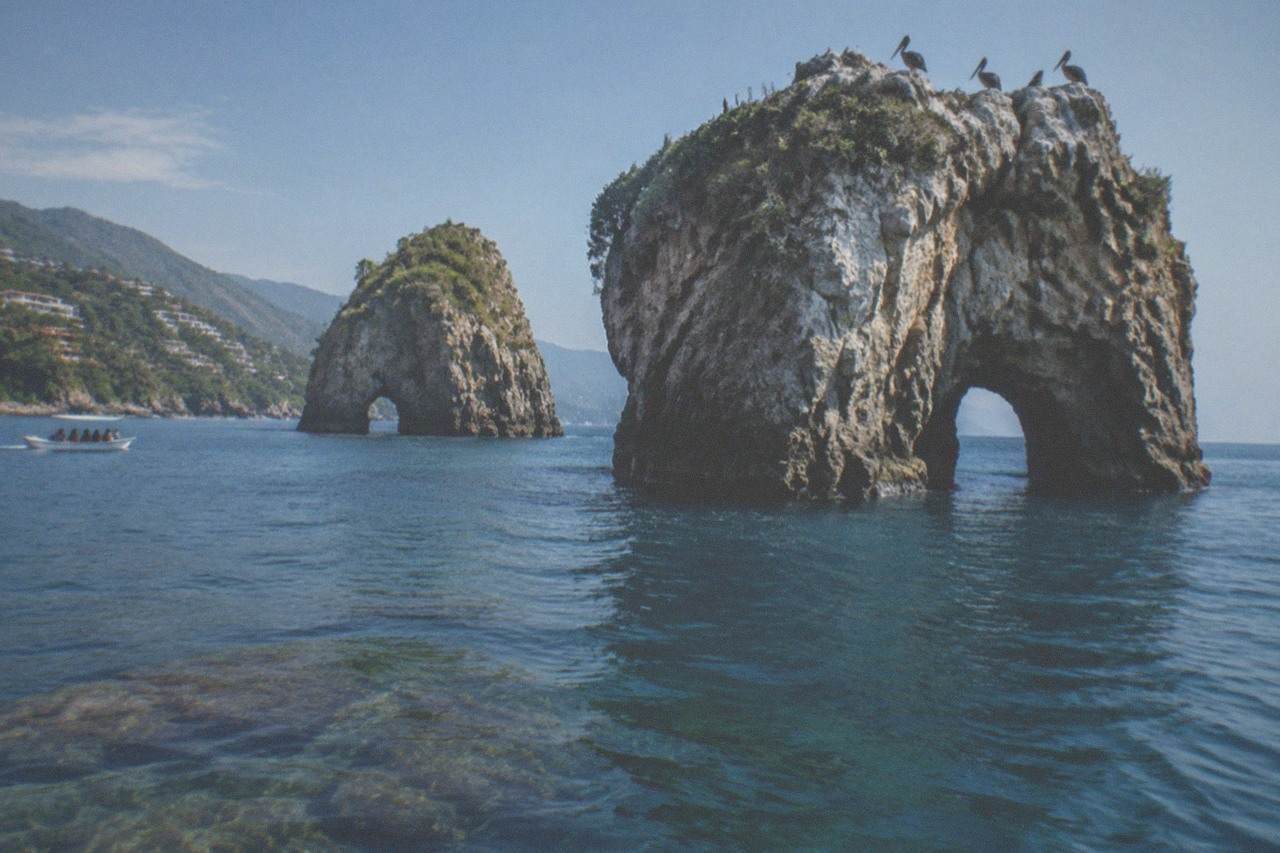
Which Part Of Mexico Is Best For Snorkeling?
Mexico has two strong snorkeling coasts, and the answer depends on what you value. The Caribbean side of Quintana Roo has calmer, warmer water; the Pacific side has Los Arcos, a protected marine park near Puerto Vallarta where dry-season visibility can reach 15 meters and half-day tours start at $48. For access, protection, and price together, Los Arcos wins.
"Best" is doing a lot of work in that question, so it helps to split it into parts. Water clarity is one thing. Consistency across the year is another. Then there is access, how far your hotel is from the reef, protection, whether the site is a real marine park or a busy beach, and price. The Caribbean coast wins comfortably on the first two. The Pacific coast around Banderas Bay wins on the last three, and it is the only one of the two that adds humpback whales to the boat ride for a third of the year.
That trade is why honest answers differ by traveler. If your entire trip is built around snorkeling and you will fly wherever the water is clearest, the reef coast of Quintana Roo, places like Cozumel and the coves of the Riviera Maya, is the conventional pick, and for good reasons. If you are already based in Puerto Vallarta, or you want the best snorkeling you can reach without an internal flight, the calculus flips fast. Prices and ratings in this comparison come straight from operator listings on Tours in Puerto Vallarta, not from brochure memory, and the site's full Puerto Vallarta snorkeling tours roundup covers the local options in depth.
For most readers of this site, the short version is that the best snorkeling in Mexico is the best snorkeling you will actually do, and from Puerto Vallarta that means the granite islets of Los Arcos. These are the three strongest ways to book it.
How Does The Caribbean Coast Compare To The Pacific For Snorkeling?
The Caribbean coast, Cozumel, Isla Mujeres, and the reefs of the Riviera Maya, generally offers flatter, warmer, clearer water year round, which is why it anchors most Mexico snorkeling itineraries. The Pacific around Banderas Bay is more seasonal: visibility peaks November to May, sometimes past 15 meters, and can drop after summer rain.
The Caribbean's advantage is physical. The Yucatán faces a sheltered sea rather than an open ocean, so swell is rarely the factor it is on the Pacific side, and many sites can be snorkeled straight from a beach rather than from a boat. Water warmth and clarity hold up through most of the year. The cost of all that convenience is crowds: the same calm water that suits beginners suits cruise ship excursions, and the snorkeling economy there is priced and scheduled around high-volume tourism.
The Pacific is the opposite personality. Banderas Bay opens onto open water, so conditions move with swell, wind, and the rains, and the realistic strategy is to pick your season and your departure time rather than your beach. What the Pacific gives back is concentration: Los Arcos is a federally protected marine park a short boat run from Puerto Vallarta, so the reef and its fish population sit inside strict rules rather than scattered along a developed coastline. From roughly December 8 to March 23, whale season under federal regulation overlaps the clearest-water months, which no Caribbean day trip can match.
For a traveler already in Puerto Vallarta, the honest comparison is not "Cozumel versus Los Arcos on a blank map" but "an internal flight and a transfer versus a panga ride of roughly 20 minutes from Boca de Tomatlán." The table sums up how the main regions stack up.
| Region | Coast | Water character | What snorkelers go for | Main trade-off |
|---|---|---|---|---|
| Cozumel and the Riviera Maya | Caribbean | Calm, warm, generally clear much of the year | Reef snorkeling from beaches and boats | The busiest and most excursion-driven stretch in the country |
| Los Cabos and the Sea of Cortez | Baja | Cooler water, conditions tied to swell | Rocky coves and boat-based sites | Many of the best sites are boat-only |
| Huatulco | Southern Pacific | Sheltered bays, far fewer visitors | Quiet cove snorkeling | Smaller tour selection and longer transfers to reach it |
| Banderas Bay and Los Arcos | Central Pacific | Seasonal clarity, best November to May | A protected marine park minutes from the hotel zone | Visibility softens in the rainy months |
Why Is Los Arcos The Best Snorkeling Spot On The Pacific Coast?
Los Arcos is a federally protected national marine park: no fishing, no anchoring on the reefs, no touching or feeding marine life, and designated navigation and mooring routes, so the reef and its fish population stay intact a short boat ride from shore. Visibility sometimes reaches 15 meters or more from November to May, and tours start at $48.
Protection is the whole story here. Because the rules ban fishing, anchoring on reef, and harassing or feeding the animals, and because nothing may be taken out of the water, Los Arcos behaves like a reserve rather than a beach. Fish gather in numbers around the granite islands, and boats tie up at designated spots instead of dropping anchor on living rock. None of that requires a personal permit from you: no individual visitor permit applies at Los Arcos, just a per-person park fee of 41 Mexican pesos, cash only, which operators often collect on the boat.
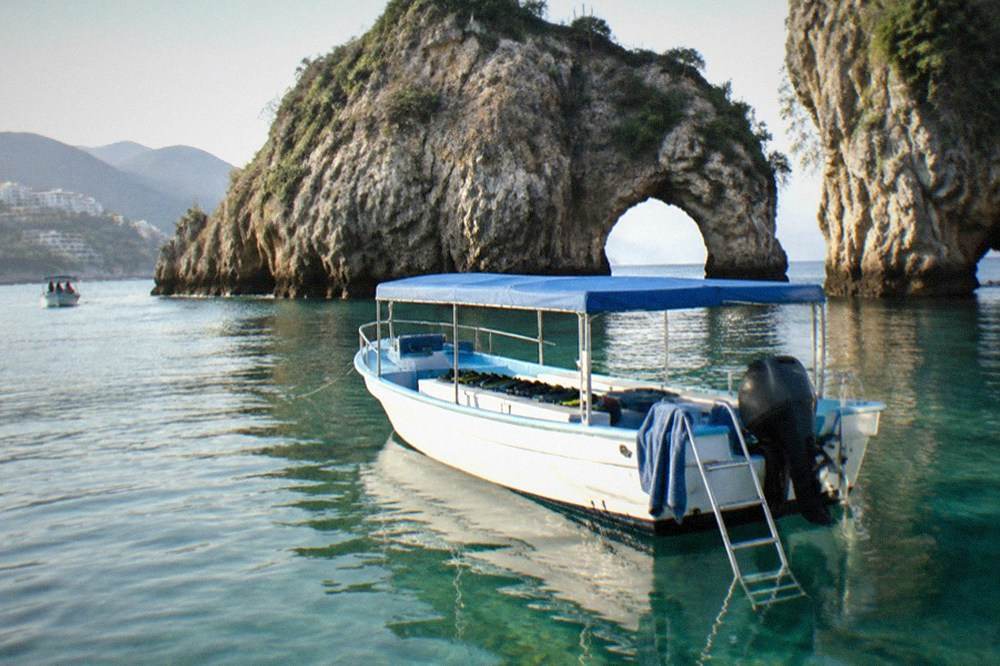
Access is the second argument. Snorkel-focused tours here typically run as small groups, with several operators keeping passenger counts low for a better time in the water, departing from Marina Vallarta, Mismaloya, or Boca de Tomatlán, with mornings the standard slot for the calmest water. The category's volume leader, the Boat & Snorkel Tour, 5 Islands of Los Arcos, holds 4.7 from 1,347 reviews with prices from $48, which is about as strong a review record as the Pacific coast offers at that price.
A typical half-day follows the same arc whichever operator you pick: gear and briefing at the dock, a short run out to the islands, and rotations between two or three snorkel stops around the islets before the ride home. That shape is what makes Los Arcos work for mixed groups; confident swimmers get reef and depth, nervous ones stay near the boat ladder, and nobody commits a full day. If that combination fits your trip, this is the one to lock in first.
What Can You Actually See In The Water At Los Arcos?
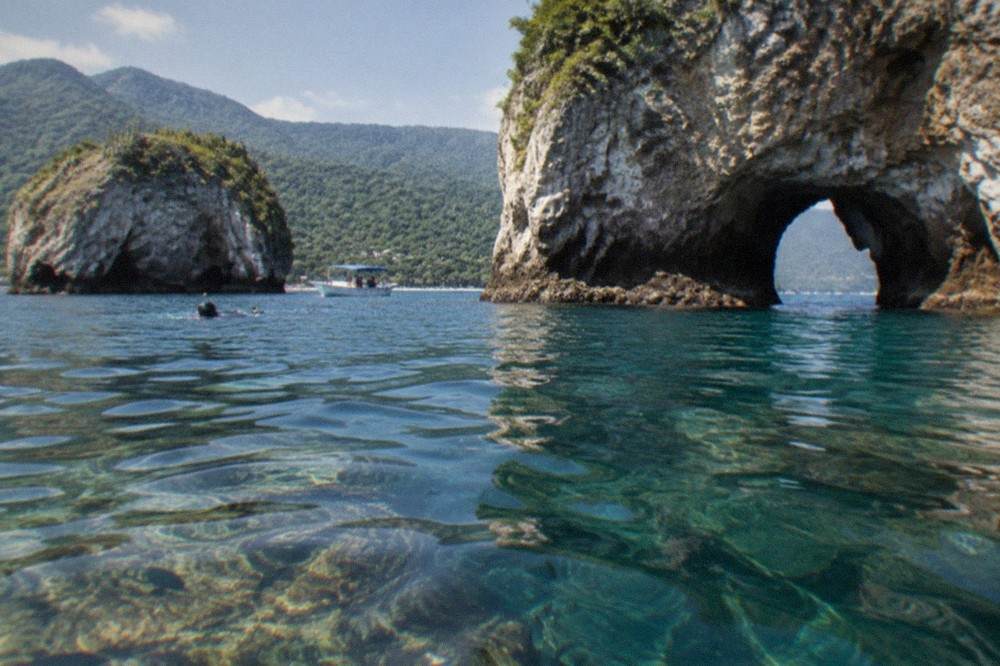
The park's no-fishing rules are the point: because Los Arcos has been protected for years, reef fish gather in dense schools close to the swim steps, and boats moor at designated sites around the granite islands rather than dropping anchor on coral. Whale season, roughly December 8 to March 23, adds humpbacks to the boat ride out.
Nobody should pitch Los Arcos as a Caribbean wall dive, because it is not one. It is a compact protected reef system around four-to-five granite outcrops just offshore, and what protection produces is density: schools of reef fish that have no reason to flee snorkelers, sheltered coves between the islands, and clearer structure to swim over than any open beach along the bay. Visibility is the variable, and it runs with the season, sometimes reaching 15 meters or more in the dry months.
The boat ride is part of the show for a third of the year. Whale watching in Banderas Bay runs approximately December 8 to March 23 under federal standard NOM-131-SEMARNAT-2010, published in the official whale-watching notice, and snorkel boats crossing the bay in those months routinely spot humpbacks in transit. You stay in the water with fish, not with whales; swimming with whales is prohibited, and authorized boats keep set distances.
If you want the stop-by-stop detail, the Los Arcos snorkeling tour guide breaks down the individual sites around the islands and what each one is like in the water.
When Is The Best Time Of Year To Snorkel In Banderas Bay?
Plan around the dry season, November to May, when seas calm down and visibility at Los Arcos sometimes reaches 15 meters or more; mornings are the calmest window. From June to October the water warms up but clarity can drop after rain and runoff. Hurricane season runs May 15 to November 30, with peak risk in August through October.
The seasonal logic is simple. Rain and runoff muddy the nearshore water, swell stirs the shallow reef, and both concentrate in the summer and early fall, so the dry-season months deliver the clearest water and the flattest mornings. Mornings matter more than most first-timers expect: winds build through the afternoon on the bay, and early departures consistently get the better surface conditions. Year-round snorkeling is possible, but daily conditions matter more than the month on the calendar.
The rough edge of the calendar is worth naming honestly. The official Eastern Pacific hurricane window runs May 15 to November 30, per NOAA's tropical cyclone climatology, and the regional risk peaks from August through October. Rain tells the same story from the other direction: one ERA5-based seasonal analysis scores August as the worst month in Puerto Vallarta, 4.4 out of 10, with an 85 percent chance of rain and 7.6 mm of rainfall per day on average. September sits just behind it. None of that makes summer snorkeling impossible, warm water is the summer's consolation, but it makes November through May the plan-first window.
How Much Do Los Arcos Snorkeling Tours Cost?
The mainstream Los Arcos snorkeling tours cluster between $48 and $51 per adult for a half-day on a shared boat, with a luxury yacht version carrying lunch and an open bar from $89. Ratings for the three run 4.6 to 4.9 across review pools of 477 to 1,347 guests, and the park's 41-peso fee is often collected by the operator.
This is where the Pacific coast beats the Caribbean without argument. The two standard shared half-days cost about the same as a decent dinner, and the review records behind them are large by any regional standard. The table shows what the money buys across the local options, using each listing's own verified figures.
| Tour | What it is | Rating and reviews | Price from |
|---|---|---|---|
| Boat & Snorkel Tour, 5 Islands of Los Arcos | Shared half-day snorkel boat around the park | 4.7 from 1,347 reviews | $48 |
| Los Arcos 5-Islands Snorkeling, Cliff Jumping & Hidden Beach | Shared half-day adding cliff jumping and a hidden cove | 4.9 from 477 reviews | $51 |
| Luxury Yacht Tour, Snorkeling, Open Bar & Lunch | Yacht format with lunch and open bar included | 4.6 from 786 reviews | $89 |
| 5 Islands of Los Arcos Boat Tour & Snorkeling | Lower-cost shared option by Vallarta Nature Trips | 4.6 from 389 reviews | $48 |
The step-up pick for active travelers is the cliff jumping version. Los Arcos 5-Islands Snorkeling, Cliff Jumping & Hidden Beach carries the category's highest rating at 4.9 from 477 reviews, from $51, and it suits groups where some people want to swim and others want to leap off rocks into deep water. Three dollars separates it from the standard trip, and the review pool is solid enough to take seriously.
For a slower day, compare the Boat & Snorkel Tour, 5 Islands of Los Arcos: Check availability on the operator's live listing. Booking windows matter more in the dry season and around holidays; the same listing also shows current departure points and what is included, which shifts with the boat.
Los Arcos Or The Marietas Islands: Which Should You Choose?
Snorkel Los Arcos for the reef and value; go to the Marietas Islands for the bucket-list beach and a full-day boat day. Marietas is a national park with a 125-peso-per-person conservation wristband, a 116-visitor daily cap on Playa del Amor, and licensed-operator-only access, while Los Arcos charges 41 pesos and needs no personal permit, which keeps it cheap and spontaneous.
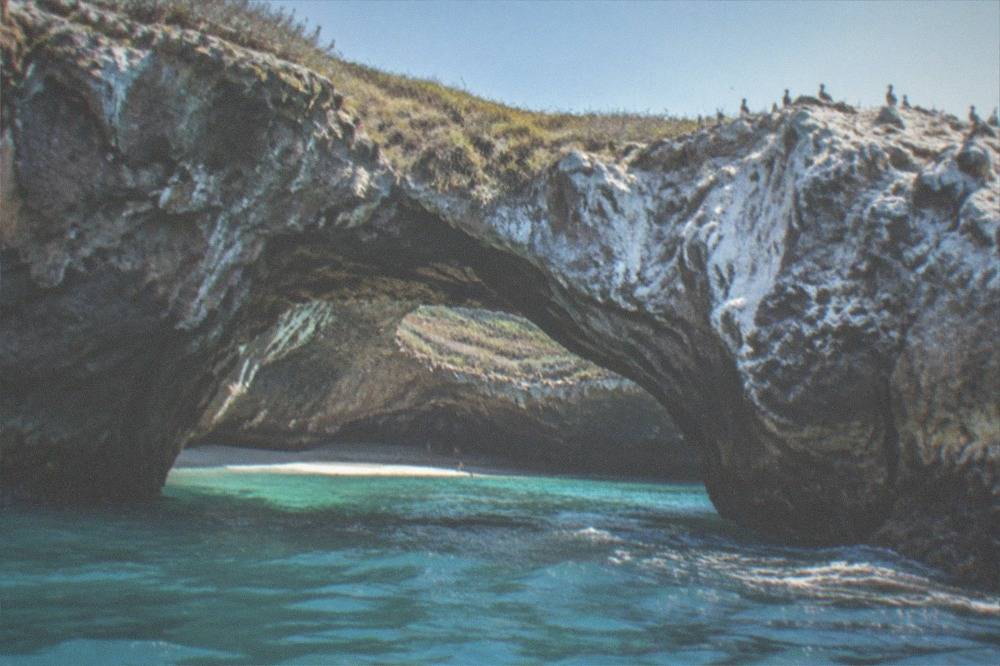
The two parks sit at opposite ends of the commitment spectrum. Los Arcos is the spontaneous morning trip; the Marietas Islands, out toward the mouth of the bay, are a full-day expedition with crossings from Puerto Vallarta of roughly 45 to 60 minutes or more, compared with the shortest departures from Punta de Mita at around 15 minutes. Playa del Amor, the famous hidden beach inside the island's crater, is tightly managed: open Wednesday to Sunday, 8:00 to 17:00, with the park itself running Tuesday to Sunday, 8:00 to 18:00, mandatory life jackets in the water, and alcohol prohibited inside the park. The full fee schedule and rules are on the park service's Islas Marietas page.
Neither choice is wrong, they are different products. The local flagship, Marietas Islands National Park Full-Day All-Inclusive by Chica Locca, holds 4.8 from 771 reviews from $120, all-inclusive format, and it is the one to book if the hidden beach is the reason you are here. The comparison below is the honest shorthand.
| Los Arcos | Marietas Islands | |
|---|---|---|
| Park access fee | 41 pesos per person, often collected by the operator | 125 pesos per person per day via the conservation wristband |
| Getting there | Short tour boat or panga run, roughly 20 minutes from Boca de Tomatlán | Licensed operator boats only; about 45 to 60 minutes or more from Puerto Vallarta |
| Park rules | No fishing, no anchoring on reefs, no touching or feeding marine life | Life jackets mandatory, alcohol prohibited, Playa del Amor capped at 116 visitors a day and 15 on the beach at once |
| Best for | Cheap, spontaneous half-day reef snorkeling | A full-day all-inclusive trip and the hidden beach |
Is Snorkeling In Puerto Vallarta Safe For Beginners?
Yes: Los Arcos tours are built for first-timers, with small groups, typically 12 to 13 guests on snorkel-focused boats, briefings before anyone gets wet, and mooring inside a sheltered marine park rather than open-ocean swims. Morning departures ride the calmest water, and park rules against chasing or feeding marine life keep swimmers on a predictable route.
The format does most of the safety work for you. You snorkel from a moored boat inside a protected bay, near the ladder, with crew watching a small group, in water that is warm much of the year. The main honest cautions are seasonal rather than scary: summer swell and post-rain runoff can cut visibility, and the answer to both is picking a morning departure in the dry season rather than skipping the activity. If any swimmer in your group is genuinely anxious, upgrade the platform instead of the itinerary.
That is exactly the case for the yacht format. The Luxury Yacht Tour, Snorkeling, Open Bar & Lunch, 4.6 from 786 reviews from $89, swaps the panga for a stable, spacious boat with lunch and drinks included, which changes the psychology of the day for nervous snorkelers and for anyone who would rather sunbathe between stops.
Water safety is only half the question some travelers bring to Mexico, and the wider picture deserves its own read; the Puerto Vallarta safety guide covers the current advisory situation in full, including the carve-outs that apply specifically to the city and Riviera Nayarit.
So, which part of Mexico is best for snorkeling? If the trip starts in Puerto Vallarta, the west coast's answer is already offshore: a protected park, clear dry-season water, whales in season, and half-day tours from $48. Pick your season, book a morning, and the rest of the country can wait for the next trip.
Common Questions About Snorkeling In Mexico
Which Part Of Mexico Is Best For Snorkeling?
For pure water warmth and calm, the Caribbean coast of Quintana Roo is the strongest choice. For protected reef snorkeling that is cheap and easy to reach, Los Arcos in Banderas Bay wins on balance, with dry-season visibility sometimes past 15 meters, tours from $48, and whale season overlapping the clearest months.
Is Cozumel or Puerto Vallarta better for snorkeling?
Cozumel generally offers warmer, flatter, more consistent water, which is why it anchors most national snorkeling itineraries. Puerto Vallarta is more seasonal but adds a federally protected marine park minutes from shore and humpback whales from roughly December 8 to March 23, so the better pick depends on when you travel and whether you are already based on the Pacific coast.
Can you snorkel Los Arcos without a tour?
You can get there independently: no personal permit is required, a per-person fee of 41 Mexican pesos applies, and pangas run short trips of roughly 20 minutes from Boca de Tomatlán. Most independent visitors still arrange a boat with gear and a guide, since mooring spots and reef etiquette inside the marine park are easier with an operator.
What is the water clarity like at Los Arcos?
Visibility is best from November to May, in the dry season, when it sometimes reaches 15 meters or about 50 feet. From June to October the water is warmer but clarity can drop after rain and runoff, and mornings are reliably calmer than afternoons.
Do I need a permit to snorkel at Los Arcos?
No individual visitor permit is required at Los Arcos; the 41-peso per-person park fee is usually collected on the boat. The Marietas Islands work differently, with a 125-peso conservation wristband and access through licensed operators.
Are there whales while snorkeling in Puerto Vallarta?
Yes, in season: humpbacks are in Banderas Bay roughly December 8 to March 23, and snorkel boats often see them on the ride out. Swimming with whales is prohibited under federal rules, so the encounter is from the deck, not the water.