Best Time To Visit Puerto Vallarta For Tours
Whale season runs December 8 to March 23, dry-season snorkeling peaks November through May, and August is the rainiest month of the year. Here is how those windows map onto every major tour category.
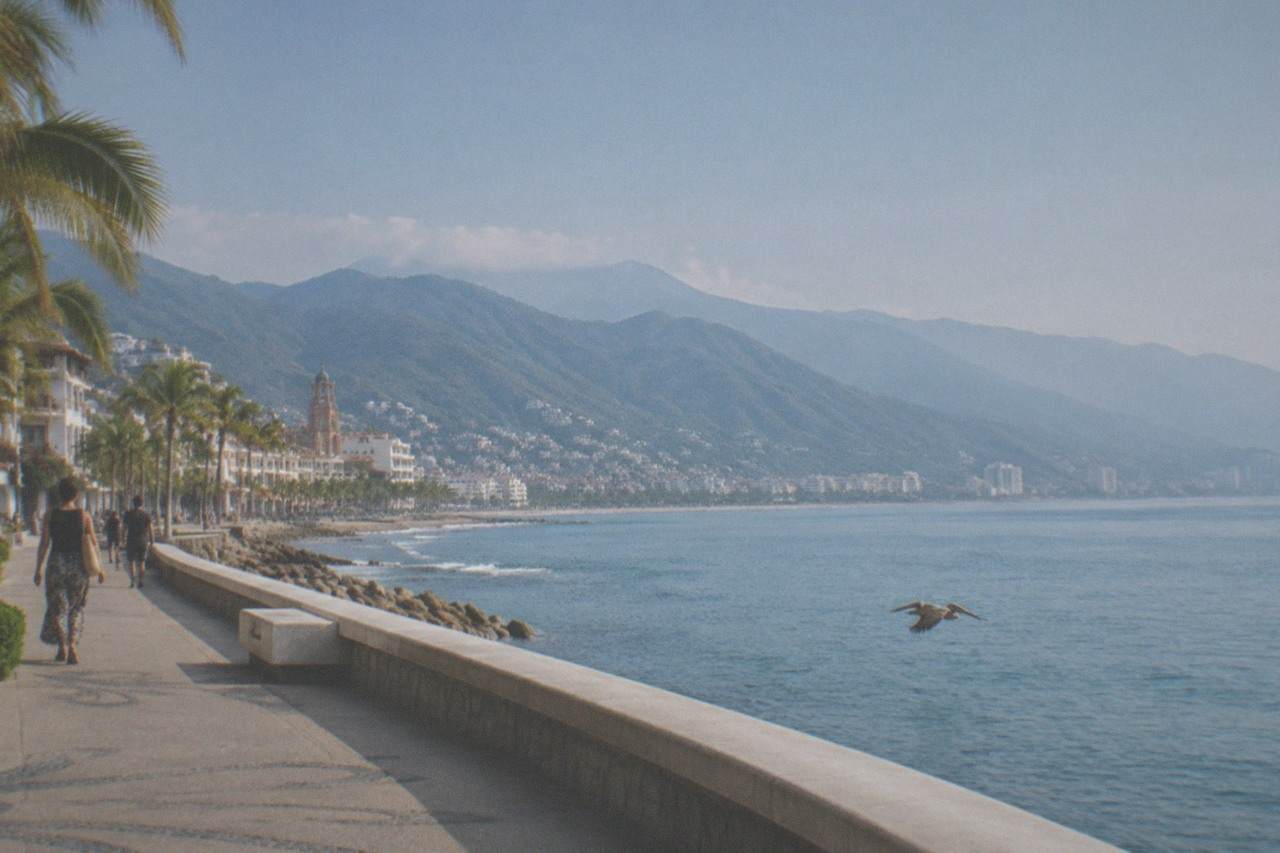
Short answer
The best time to visit Puerto Vallarta for tours is mid-December through March, when humpback whales are in Banderas Bay and dry-season visibility is at its best. Whale season runs December 8 to March 23; snorkeling visibility peaks November through May; hurricane season runs May 15 to November 30, with August the rainiest month.
Puerto Vallarta sits on Banderas Bay, one of the few places on Mexico's Pacific coast where a full calendar of tours actually runs twelve months a year. That is a real advantage, and it creates a real planning problem: the difference between a great tour week and a washed-out one is almost entirely about timing, not about which operator you pick. Humpback whales only occupy the bay from December 8 to March 23. Snorkeling visibility at Los Arcos is best November through May and can drop after heavy rain. And the Eastern Pacific hurricane season, which officially runs May 15 to November 30, puts its wettest, muggiest footprint right across August and September.
This guide lays out the whole calendar the way a tour planner needs it: which months deliver which experiences, what the rain actually does to a tour day, and which specific tours justify timing a whole trip around them. Tours in Puerto Vallarta tracks these seasonal windows across every category on the site, and the short version is simple: December through March wins on paper, but May, June, October and November each have a genuine case.
When Is The Best Time To Visit Puerto Vallarta For Tours?
The single best window is mid-December through mid-March, when humpback whales are present in Banderas Bay and dry-season weather keeps sea conditions calm and snorkel visibility high. That period overlaps two of the biggest tour draws, whale watching and clear-water snorkeling, which no other stretch of the year manages. Late November and early April are strong runner-up choices with fewer crowds.
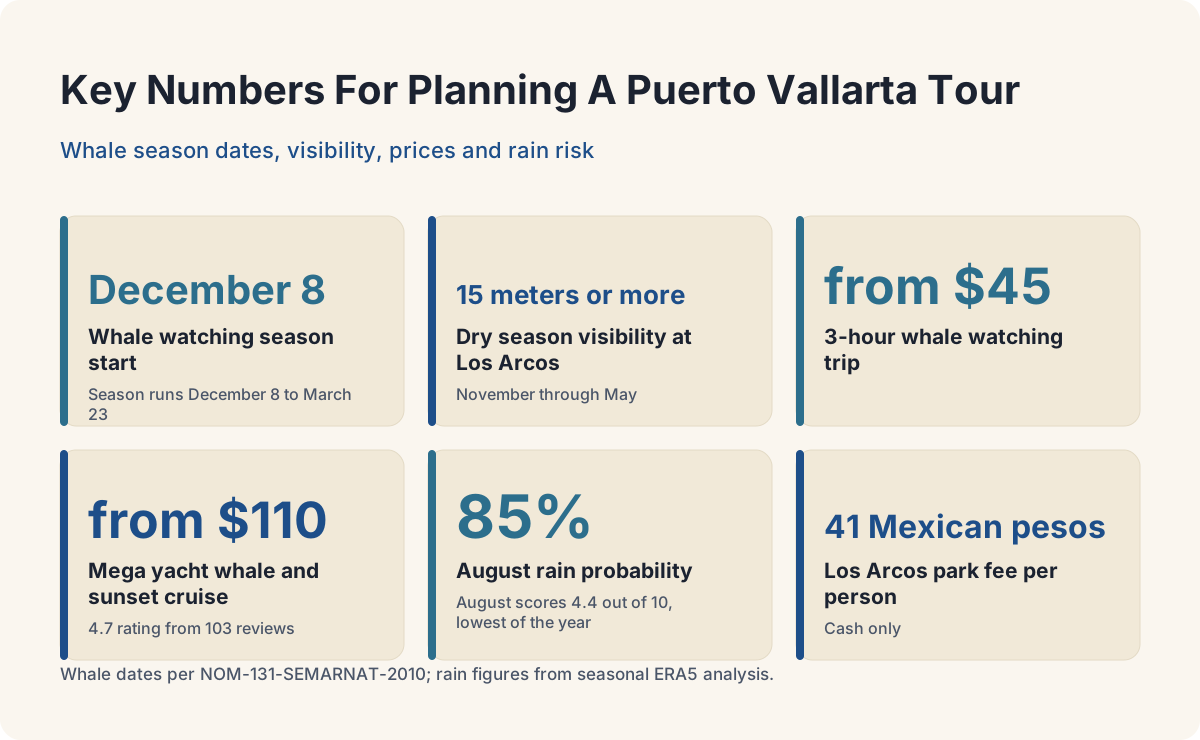
The reason December to March dominates is overlap. Whale season is federally regulated and runs approximately December 8 to March 23, so those dates are fixed, not a marketing estimate. The dry season, roughly November through May, delivers the calmest seas and the best underwater visibility at Los Arcos, sometimes 15 meters or more. When both windows align, a single week can include a whale watching cruise, a snorkel trip to Los Arcos and a jungle ATV ride without any of them being compromised by weather.
Late November and early April are the connoisseur picks. You keep most of the dry-season advantages, you dodge the peak-week crowds of late December and the spring-break surge of March, and tour pricing tends to soften outside the holidays. Early April sits right at the tail of whale season, so sightings are possible but no longer guaranteed; if whales are the priority, stay inside the regulated window.
One more planning layer: the U.S. State Department rates Jalisco state at Level 3 (Reconsider Travel) but explicitly carves out Puerto Vallarta and Riviera Nayarit, with no restrictions for those tourist zones. In February 2026 the killing of a cartel leader triggered several days of disruption in the city, including arson, road blockages and airport delays, and a temporary shelter-in-place advisory, but the situation calmed within days and operations returned toward normal by late February. It is a reminder that timing is not only about weather, though nothing in the sourced record suggests an ongoing pattern of tourist-impacting incidents.
What Is Whale Watching Season In Puerto Vallarta?
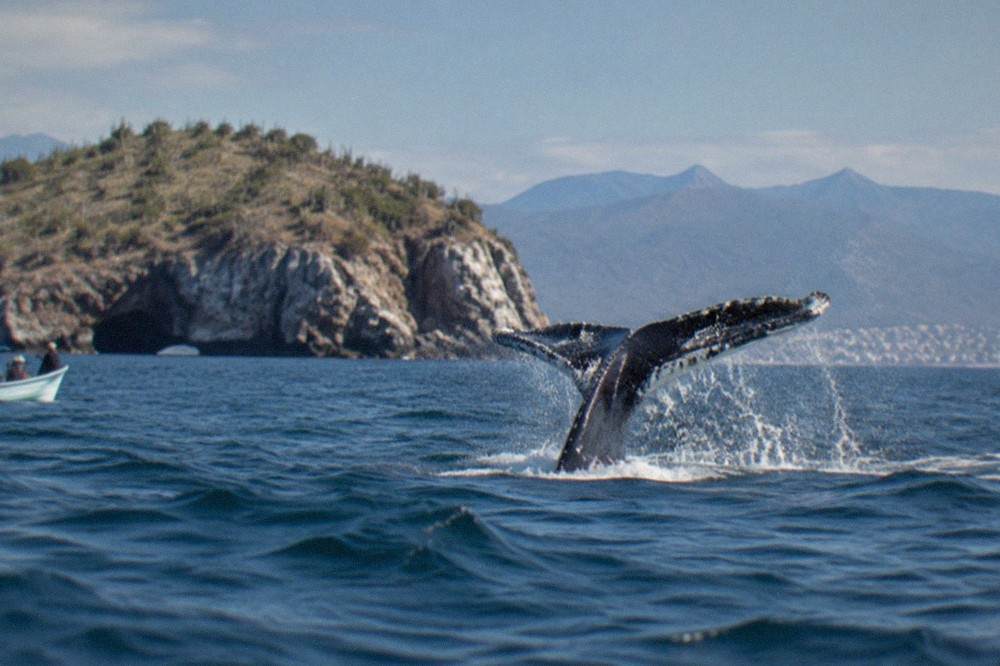
Whale watching season in Banderas Bay runs approximately December 8 to March 23, the federally regulated activity window under NOM-131-SEMARNAT-2010. Peak sightings typically fall mid-January through mid-February. Outside those dates, humpbacks are largely gone, so a whale tour booked in, say, October is not a whale tour at all.
The season is set by federal notice, not by operators. The rules that come with it matter to how a tour actually feels on the water: authorized vessels must keep minimum approach distances of 60 meters for small boats and 80 meters for larger ones, non-authorized vessels must stay 240 meters away, boats approach from the rear or side at under 5 knots, and no vessel may spend more than 30 minutes with a single whale or pod. A restricted 1.5 km zone around Islas Marietas protects mother-calf pairs. Certified operators display an official whale-watching flag with identification numbers, which is the fastest way to confirm a crew is trained and legal.
The 2025-2026 season was described by ECOBAC researchers as historic, with average sightings around five whales per hour versus a typical two, and estimates of up to 100 whales in the bay at once. The federal season window for Banderas Bay runs December 8 to March 23, and operators list December 8, 2026 as the start of the upcoming season, in line with the long-standing pattern. Plan around those dates with reasonable confidence, but treat any single day's sighting as weather-and-luck dependent; mornings are standard because conditions are calmer.
If whales are the reason for the trip, book the middle of the season rather than the edges. Mid-January to mid-February maximizes both the number of animals in the bay and the chance of seeing surface behavior like breaches and tail slaps. The whale-watching category on this site covers the full range of formats, from a 3-hour trip from $45 to a luxury mega yacht sunset cruise from $110; the Puerto Vallarta whale watching tours guide breaks down which format fits which traveler.
The mega yacht whale watching and sunset cruise format is the category's premium option, and it is the one tour on the roster that genuinely spans seasons: inside the whale window it is a whale trip with a sunset attached, and outside it the sunset and open-water cruise still delivers. It runs from $110 with a 4.7 rating from 103 reviews.
When Is Snorkeling Visibility Best Around Puerto Vallarta?
Snorkeling visibility at Los Arcos is best November through May, the dry season, when calm seas can push visibility to 15 meters or more. June through October brings warmer water but visibility can drop after rain and runoff, so the dry months are the reliable choice for underwater tours.
Los Arcos is a federally protected marine park south of the city, a cluster of granite islands with caves, reefs and bird life. The protected status comes with real rules: no anchoring on reefs, no fishing, no touching or feeding marine life, and nothing removed from the water. A per-person park fee of 41 Mexican pesos, cash only, is typically collected by operators. None of that changes with the season, but what you actually see underwater absolutely does.
The dry season pattern is consistent across the sources: calmer seas, less runoff, and visibility that can exceed 15 meters, with mornings the recommended departure time in every month. After summer rain, sediment washes down the hillsides into the bay and visibility can drop sharply for days at a time. That is not a safety issue, and boat tours still run, but it is the difference between a snorkel stop that feels like an aquarium and one where you are guessing at shapes in the green.
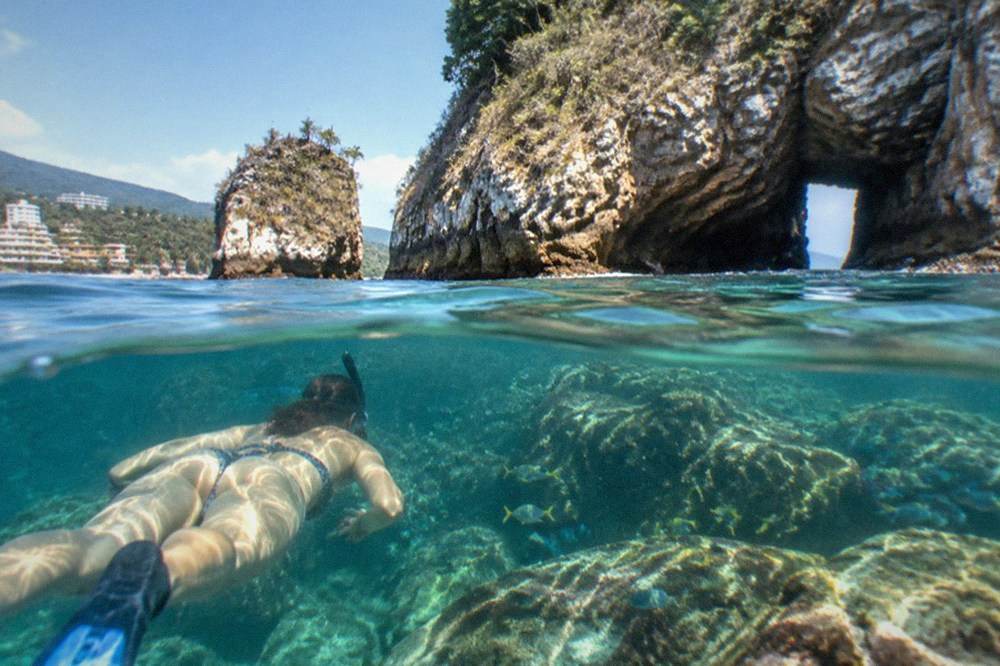
The practical takeaway for planning: a Los Arcos snorkel trip in February is close to a sure thing, and the same trip in September is a coin flip on water clarity. The Los Arcos 5-islands snorkeling tour with cliff jumping and the hidden beach runs from $51 with a 4.9 rating from 477 reviews, one of the strongest review records in the boat and snorkel category. The Los Arcos snorkeling tour guide covers the site in detail, and the broader Puerto Vallarta snorkeling tours guide compares the operators.
What Is The Worst Month To Go To Puerto Vallarta?
August is the worst month to visit Puerto Vallarta for tours, per a seasonal ERA5 analysis that scores it 4.4 out of 10, the lowest of the year, with an 85% rain probability and an average of 7.6 mm of rain per day. September is a close second at 4.5 out of 10 with 81% rain probability, and it is statistically the rainiest month by total rainfall.
Both late-summer months sit inside the official Eastern Pacific hurricane season, which runs May 15 through November 30 according to NOAA's tropical cyclone climatology. Peak regional cyclone risk falls August through October. None of this means a ruined trip: most rain in Puerto Vallarta arrives in short, heavy afternoon bursts rather than all-day soakers, and tours generally run through it. But it does mean lower snorkel visibility, muggy heat, a small chance of a storm system reshaping your week, and the year's weakest case for booking water-dependent tours.
The distinction that matters is between tours that need conditions and tours that tolerate them. A morning snorkel trip needs visibility. A whale tour in August does not exist, because the whales are gone. A zipline or ATV tour in the Sierra Madre foothills runs in rain, and the jungle is arguably at its best when everything is green. The what happens if it rains on a Puerto Vallarta tour piece covers operator-by-operator cancellation behavior in detail; the short version is that most tours run in rain and reschedule or refund in genuinely unsafe weather.
How Does The Hurricane Season Affect Tour Planning?
The Eastern Pacific hurricane season runs May 15 through November 30, with peak regional risk in August, September and October. Puerto Vallarta's tours run throughout, but ocean tours are the ones exposed: heavy swell can cancel boat departures, and the rainiest months, August and September, are when reschedules are most likely.
The season is long, and most of it is mild for Puerto Vallarta itself. May, June and July sit inside the official window but historically deliver far less disruption than late summer; June and July are actually popular months for warm-water snorkeling and jungle tours, with lower crowds than the winter peak. The planning advice is not "avoid May 15 to November 30" but "treat August and September as the months where your boat day has a real chance of being moved."
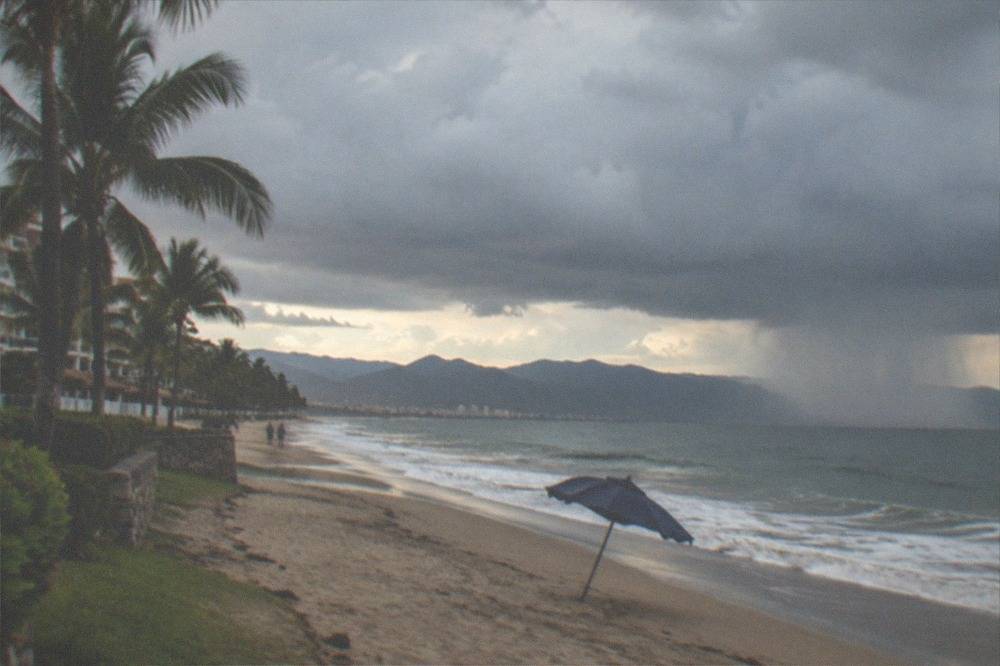
Book flexibility into a late-summer itinerary in two ways. First, keep the ocean tour early in your stay rather than on your last day, so a weather reschedule still has somewhere to land. Second, pair it with a land-based backup: ATV, zipline and city food tours all run in rain and rarely cancel. The full seasonal weather breakdown, including month-by-month climate scores, is at bestdateweather.com's Puerto Vallarta seasonal analysis.
Which Season Fits Each Type Of Tour?
Whale watching needs December 8 to March 23, snorkeling is best November to May, jungle and ATV tours run year-round with the greenest scenery in late summer, and city, food and tequila tours are season-independent. Marietas Islands trips need the park's Tuesday-Sunday schedule in mind, with Playa del Amor open Wednesday through Sunday only.
This is where the calendar becomes an actual booking decision. Some tours have hard seasonal ceilings, and others simply change character with the weather. The table below maps every major category to its best and acceptable months.
| Tour category | Best months | Acceptable months | Avoid or rethink |
|---|---|---|---|
| Whale watching | Mid-Dec to mid-Feb | Dec 8 to Mar 23 only | Any month outside the regulated window |
| Snorkeling (Los Arcos) | Nov to May | Jun, Oct | Late Aug-Sep after rain |
| Marietas Islands boat tour | Dec to Apr | May, Nov, Oct | Aug-Sep swell risk |
| Sunset cruise | Nov to May | Year-round | Rainy late afternoons Aug-Sep |
| Jungle, zipline and ATV | Nov to Apr | Year-round | None; greenest Jun-Sep |
| City, food and tequila | Year-round | Year-round | None |
| Baby turtle release | Nesting-season departures | Check the listing | Mid-summer heat for walking tours |
A few of those rows deserve a note. The Marietas Islands National Park, home of the hidden beach, charges a $125 MXN per-person conservation wristband fee and opens Tuesday through Sunday, 8:00 to 18:00, with Playa del Amor itself accessible Wednesday through Sunday, 8:00 to 17:00; life jackets are mandatory in the water and alcohol is prohibited inside the park, per CONANP's official park page. Access to Playa del Amor is capped at 116 visitors per day with a maximum of 15 on the beach at once, so peak-season Marietas trips are the one category where booking well ahead genuinely matters.
Jungle and ATV tours are the calendar's flexible friend. The routes commonly follow the Cuale River into the Sierra Madre foothills, crossing the Jorullo Bridge, which hangs roughly 150 meters above the river and is billed as the longest vehicular suspension bridge in Latin America. In the dry season you get dust, viewpoints and easy river crossings; in the rainy season you get mud, greener jungle and bigger splashes. The Puerto Vallarta ATV tours guide covers route differences in detail.

The ATV and RZR Jorullo Bridge experience runs from $169 with a 4.7 rating from 555 reviews, and it operates across the whole year, which makes it the natural anchor for a late-summer itinerary when ocean tours carry weather risk. Half-day formats around three to three and a half hours are typical, with safety briefings, helmets and small groups, and beginners are welcome on most departures.
For travelers whose dates fall in the August-September trough, the strongest itinerary pattern is a land-tour anchor like this one plus one ocean day booked early in the week, when a reschedule still has room to land. That way the rainy season costs you a little water clarity instead of a whole day of vacation.
How Do Crowds And Prices Change Through The Year?
Peak crowds run late December through early January, plus the March spring-break weeks, when holiday-week tour pricing is at its highest and Marietas permits are tightest. May, June, September, October and early November are the quiet-value months: fewer people on boats, softer pricing, and a real trade-off only on water visibility and whale availability.
Crowd pressure in Puerto Vallarta concentrates into a few sharp spikes rather than a long plateau. The Christmas-to-New-Year stretch is the single busiest tour week of the year, and it is also when the whale season is already strong, which is why boats fill early. Spring break in March stacks students and families onto the same beaches. Outside those spikes, even high season feels manageable: late January and February deliver full whale activity with noticeably thinner crowds than the holidays.
The value calculation is genuinely different for each traveler. If whales are the point of the trip, there is no cheap substitute for December through March, so the question is only whether you accept holiday-week crowds or pick late January instead. If whales are a nice-to-have and snorkeling is the priority, November or May gives you dry-season visibility, lower prices and shorter lines. And if your dates are locked to summer, the smart play is to build the itinerary around jungle, city and food tours, which are at their cheapest and greenest, and treat any ocean day as a bonus.
| Period | Crowds | Tour pricing | Best tours for that period |
|---|---|---|---|
| Mid-Dec to early Jan | Highest | Highest | Whale watching, Marietas (book far ahead) |
| Jan to mid-Mar | High | High | Whale watching, snorkeling, ATV |
| Apr to May | Moderate | Moderate | Snorkeling, sunset cruises, city tours |
| Jun to Jul | Lower | Lower | Jungle and ATV, food tours, warm-water snorkel |
| Aug to Sep | Lowest | Lowest | ATV, zipline, city and food tours |
| Oct to Nov | Moderate | Moderate | Snorkeling returns to form, baby turtle release |
Booking lead time follows the same curve. The general guidance on how far ahead to book matters most in the December-to-March window and for any Marietas trip, where the daily visitor cap is a real constraint, and matters least for summer land tours.
What Should You Pack For Each Season?
For dry-season tours, December through April, bring reef-safe sunscreen, a light layer for cool evenings on the water and swimwear; for rainy-season tours, June through October, add a quick-dry change of clothes, a dry bag for electronics and shoes with grip for wet jungle trails. Whale tours in any month need a windbreaker, since bay spray and boat speed drop the felt temperature.
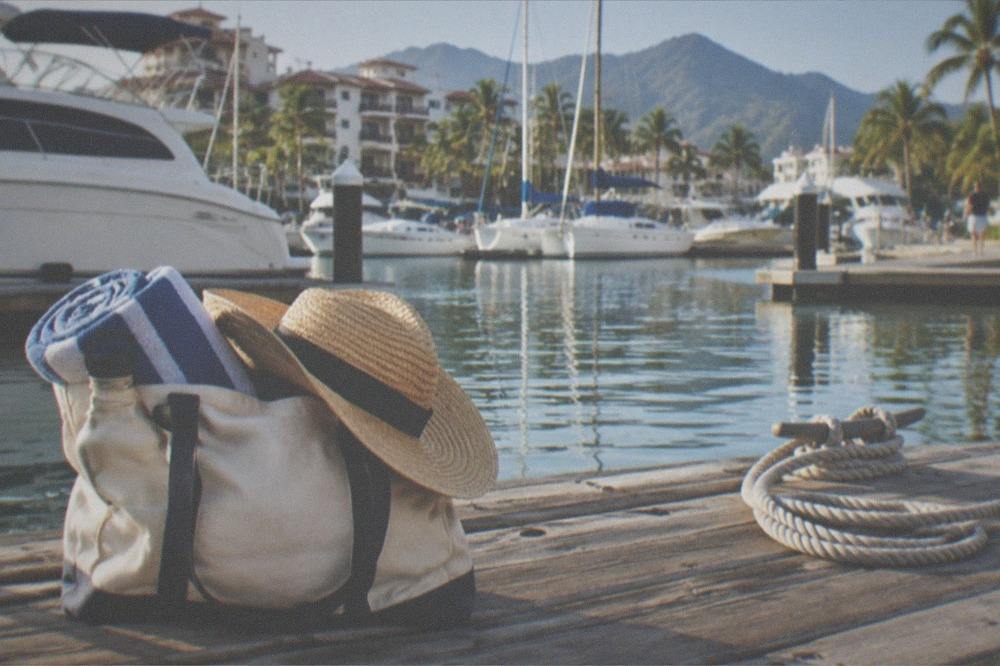
The packing mistakes that actually ruin tour days are seasonal and predictable. In the dry season it is sun: the UV index is fierce by 10 a.m., and a four-hour boat trip without sunscreen or a hat is a painful evening. In the rainy season it is water where you did not want it: afternoon downpours arrive fast, jungle trails turn slick, and a phone without a dry bag is a phone at risk. Marietas trips have their own specifics, and the what to bring on a Marietas Islands tour checklist covers them item by item.
One rule crosses every season: the mandatory life jacket requirement inside Islas Marietas National Park is enforced, so do not plan on swimming the hidden beach without one, and check whether your chosen tour provides snorkel gear or expects you to bring your own.
| Season | Must-bring | Nice-to-have | Leave behind |
|---|---|---|---|
| Dry (Nov-May) | Reef-safe sunscreen, hat, swimwear | Light windbreaker, motion-sickness tablets | Umbrella, heavy rain gear |
| Whale season (Dec-Mar) | Windbreaker, binoculars | Camera with zoom | Expectations of swimming with whales; it is prohibited |
| Rainy (Jun-Oct) | Quick-dry clothes, dry bag, grippy shoes | Insect repellent, spare sandals | Suede, non-waterproof cameras |
| Any Marietas trip | Cash for the $125 MXN wristband, swimwear | Water shoes | Alcohol; it is prohibited in the park |
Common Questions About The Best Time To Visit Puerto Vallarta For Tours
What is the best month to visit Puerto Vallarta?
Mid-December through mid-February is the best window overall, because whale season (December 8 to March 23) overlaps with dry-season snorkel visibility. If you want the same conditions with fewer crowds, late January or late November are the strongest alternatives.
What is the worst month to go to Puerto Vallarta?
August, per the ERA5 seasonal analysis, which scores it 4.4 out of 10 with an 85% rain probability and 7.6 mm of rain per day on average. September is a close second and is statistically the rainiest month by total rainfall.
What months can you see whales in Puerto Vallarta?
Humpback whales are in Banderas Bay from approximately December 8 to March 23, the federally regulated watching window under NOM-131-SEMARNAT-2010. Peak sightings typically run mid-January to mid-February, and no whale tours operate meaningfully outside the window.
Is Puerto Vallarta rainy season bad for tours?
Not uniformly. Rain mostly arrives in short afternoon bursts, and jungle, ATV, zipline, city and food tours run straight through it. Ocean tours are the exposed category: visibility can drop after rain, and heavy swell in August and September can force reschedules.
When is snorkeling visibility best in Puerto Vallarta?
November through May, the dry season, when calm seas can deliver 15 meters or more of visibility at Los Arcos. June through October has warmer water but visibility can drop for days after rain and runoff.
Does hurricane season affect Puerto Vallarta tours?
The Eastern Pacific season runs May 15 through November 30, with peak regional risk August through October. Tours run throughout, but late-summer boat departures carry the highest chance of weather reschedules, so book ocean tours early in your stay.