What Time Of Day Are Whales Most Likely To Be Seen In Puerto Vallarta?
Morning departures see the most whales in Banderas Bay, but the honest answer involves wind, season and federal approach rules. Here is how to pick a departure time.
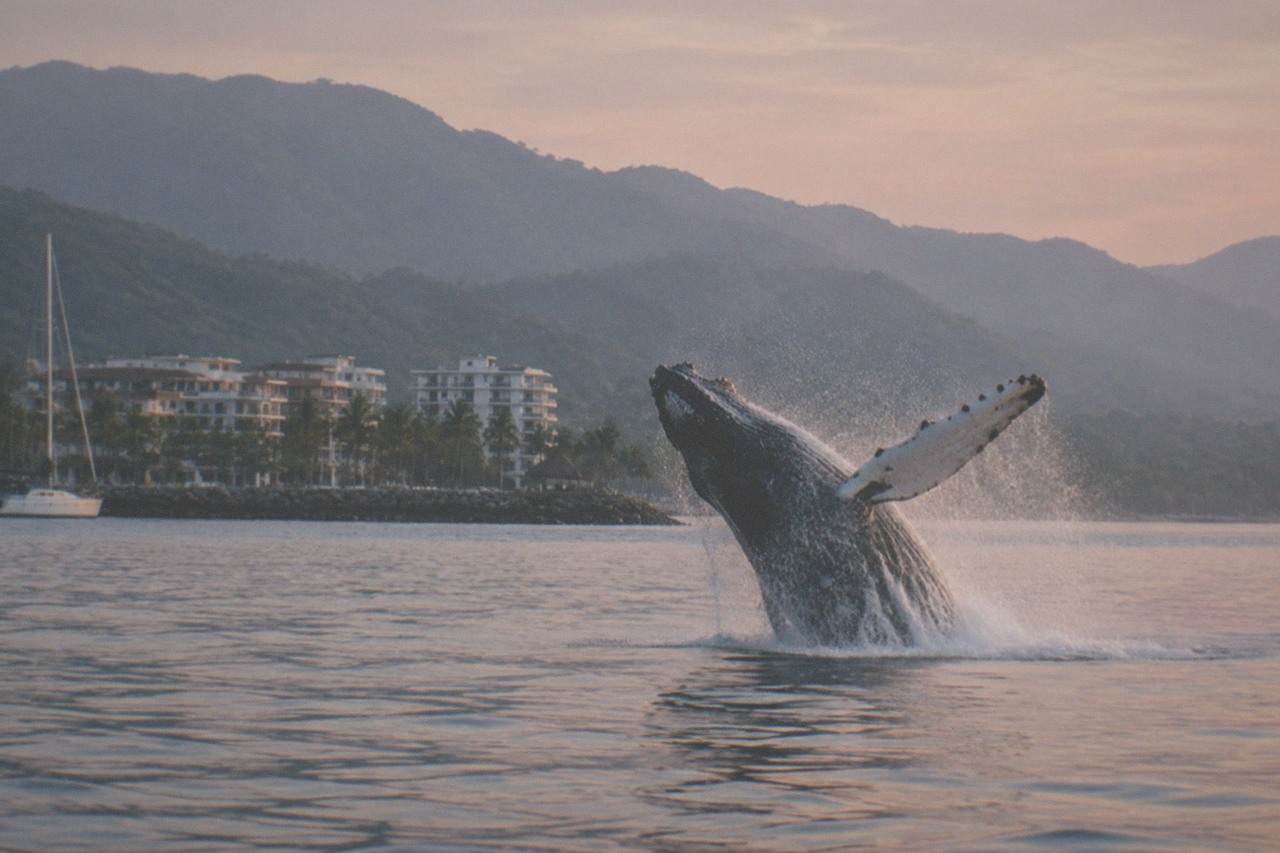
Humpback whales do not keep office hours. They surface, breathe, rest and dive in cycles that run through the entire day in Banderas Bay, and no captain can promise a breach at 9 a.m. What operators can control is when the boat leaves the dock, and that timing matters more than most visitors expect. Calm water, light and boat traffic all shift hour by hour, and each one changes how likely you are to actually see the animal you came for.
What Time Of Day Are Whales Most Likely To Be Seen?
The honest answer is mid-morning, roughly 8 a.m. to noon, when Banderas Bay is at its calmest, glare is low and spotter boats have had a couple of hours to locate pods. Whales surface all day, so afternoon and sunset trips do see them, but the morning window gives a sighting the best chance of being close, long and visible rather than a distant spout.
Ask a captain in Marina Vallarta and you will hear the same logic: the bay behaves differently before lunch. Morning air is still, the surface lies flat, and a whale's blow, the tall plume of vapor a humpback releases on surfacing, hangs in the air where a sharp-eyed spotter can pick it up from a long way off. Once the afternoon thermal wind fills in, typically after 1 p.m., the surface chops up into whitecaps. A blow that was obvious at 9 a.m. disappears into visual noise at 3 p.m.
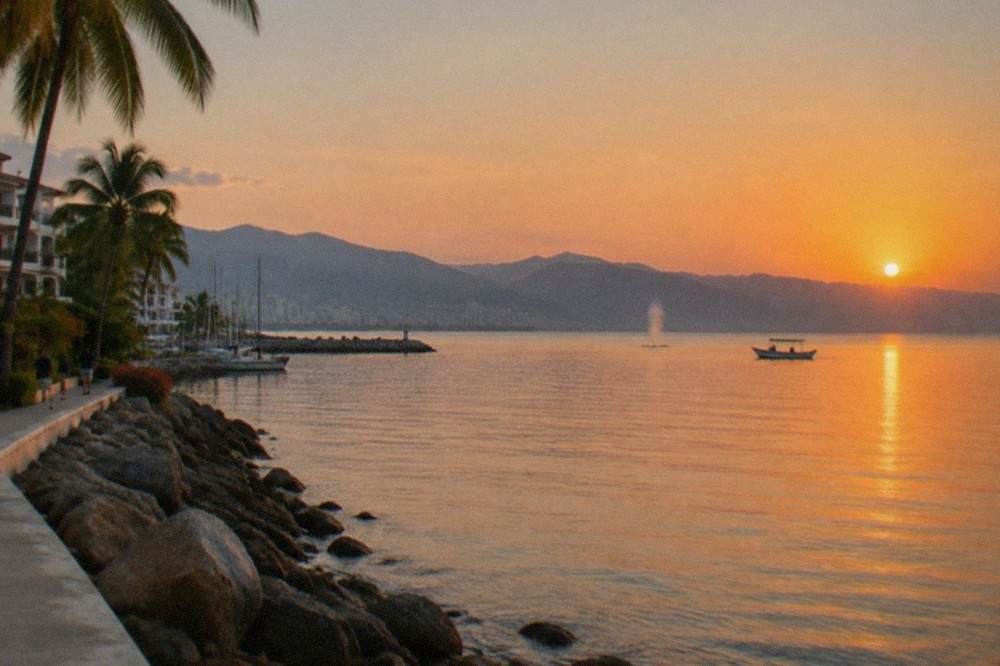
Light works the same way. Low morning sun rakes across the water and makes splashes, flukes and breaching bodies stand out. High midday sun flattens everything into a blue sheet. This is not folklore, it is basic observation geometry, and it is the reason whale biologists running research trips in the bay overwhelmingly schedule morning departures.
There is also a practical layer: the first boats out act as a loose spotter network. Certified operators radio each other when a pod is located, so a 10 a.m. departure often benefits from two hours of accumulated searching by the fleet. The last departure of the day starts from zero.
If you are choosing a trip, these three cover the main ways to time a whale outing:
Why Mornings Work Better For Whale Watching In Banderas Bay
Three things stack up in the morning: flat water that shows a blow from far away, low-angle light that makes surface activity pop, and a fleet of boats that has already located pods from the first departures. None of this guarantees whales, but together it usually makes a sighting easier than a windy afternoon trip, when chop and glare cut visibility.
The wind pattern in Banderas Bay is the single biggest factor. Like many Pacific bays, it develops an onshore breeze as the land heats through the day. By early afternoon the surface can carry a two-foot chop with no whitecaps missing, and a humpback at 200 meters becomes nearly invisible. The same animal in the same spot at 8:30 a.m. is unmissable. Our full breakdown of Puerto Vallarta whale watching tours covers how operators plan around this.
Behavior matters too. Humpbacks in the bay are mostly mothers with calves, courting groups and resting singles. Resting whales, especially mothers and calves, tend to log quietly at the surface in long, slow intervals. Active groups, the ones that breach and slap their pectoral fins, can turn on at any hour, but the calm morning surface means you will see the start of the show rather than just hear it.
Boat density is the third piece. The NOM-131-SEMARNAT-2010 rules limit how many vessels may watch a pod at once and cap observation time, so a pod found at 8 a.m. has usually cycled through its observers and moved on by early afternoon. Morning boats get first crack at fresh, undisturbed animals. The federal notice setting those approach rules is published by the Diario Oficial de la Federación.
Do Afternoon And Sunset Whale Tours Still See Whales?
Yes, and regularly. Whales do not stop surfacing after lunch, and afternoon trips in peak season succeed often. What changes is the viewing quality: choppy water, glare and scattered pods mean more sightings at a distance and fewer long, close encounters. A sunset trip trades sighting odds for light and atmosphere.
Plenty of visitors only have the afternoon free, and operators would not run those departures if they failed. In mid-January to mid-February, when the bay carries its heaviest whale traffic, an afternoon boat that finds one courting group may deliver a better show than a quiet morning trip did the same week. The odds compress outside peak weeks, that is all.
The afternoon also has one real advantage: surface activity often rises late in the day. Breaching is energetically expensive, and some researchers and captains report more breaching in the warm, bright hours, possibly tied to courting groups. If a whale is going to launch itself out of the water in front of you, the hour of the day is the least predictable part.
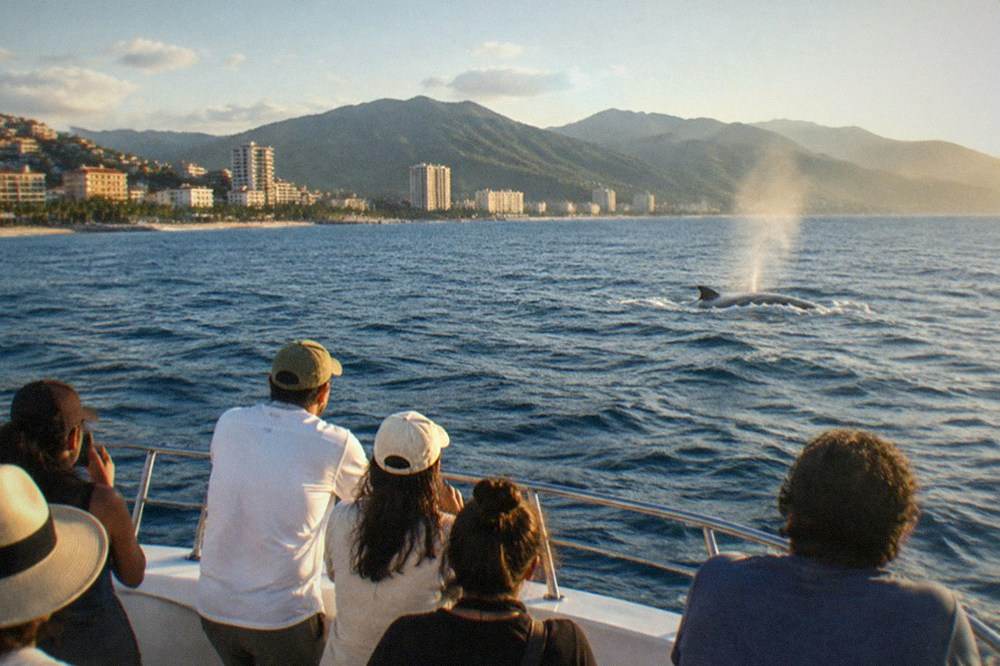
This is exactly the trade the sunset cruise makes. The Mega Yacht Whale Watching & Sunset Cruise from Chica Locca Tours leans into the golden-hour window: a larger, steadier vessel that handles afternoon chop better than a small panga, an open bar, and a sunset return. It runs from $110 per person and carries a 4.7 rating from 103 reviews, a modest but solid review pool. You can read more on the mega yacht whale watching tour page or Check availability if the golden-hour version appeals more than a dawn start.
How Whale Behavior Changes Through The Day
Humpbacks run a cycle of dive, travel, rest and surface activity that does not follow a clock. Mothers with calves rest more in the morning; courting groups can be active at any hour. The practical pattern operators report is longer, calmer surface intervals early and shorter, splashier bursts later in the day.
A whale's day is mostly underwater. A humpback in the bay might stay down 5 to 15 minutes between breaths, longer when traveling or resting. What you see from the boat is the small fraction of time spent at the surface, so every sighting is a slice of a mostly invisible schedule. The time of day does not change the schedule, it changes how much of each slice you can perceive.
Two behavior classes dominate the bay. Mother-calf pairs favor shallow, sheltered water and spend long stretches logging, lying nearly motionless at the surface while the calf nurses and rests. These are the sightings that reward patience and calm water, and they are easier to hold in view in the morning. Male courting groups and competitive pods are the opposite: fast, splashy, unpredictable, and the source of most breach reports regardless of hour.
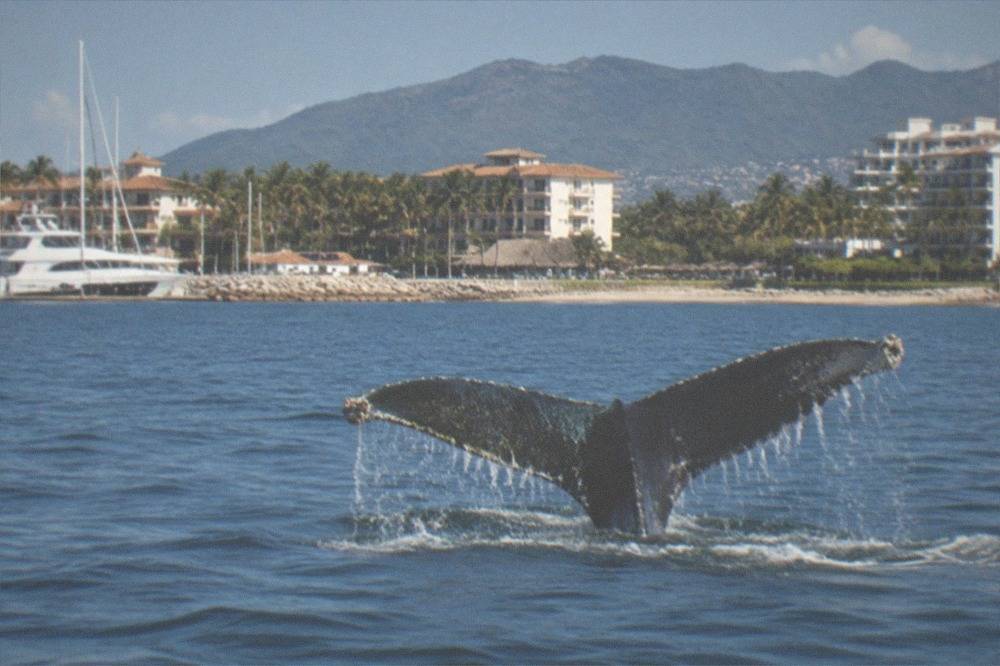
The one hard rule is the federal one, not the biological one. Boats may watch a given pod for a maximum of 30 minutes, must approach from the rear or side at under 5 knots, and must hold 60 meters back for small boats, 80 for larger ones. A whale that is done being watched simply stops being watchable, which is why a good crew rotates between pods rather than parking on one animal all morning.
What Time Of Day Whales Are Seen By Month And Season
The season matters more than the hour. From roughly December 8 to March 23, whales are in the bay; mid-January to mid-February is the peak, when any departure time works. At the edges of the season, in early December and mid-March, the morning advantage grows because fewer animals mean every sighting hour counts.
The season dates come from the federal seasonal notice for Banderas Bay, which sets the whale watching window under NOM-131-SEMARNAT-2010 and defines restricted zones, including a 1.5 km radius around the Islas Marietas. Outside that window no operator may run whale-focused trips at any hour, so the first question is always the calendar, not the clock.
Within the season, the peak compresses. Mid-January through mid-February carries the most animals, the most courting groups and the most surface action, so an afternoon boat in that window still has a strong chance. In the shoulder weeks, the population thins and the calm-water morning edge becomes the difference between a close encounter and a distant spout.
| Departure window | Water conditions | Sighting quality | Best for |
|---|---|---|---|
| 8-10 a.m. | Calmest, flat surface | Long, close, easy spotting | Photographers, first-timers |
| 10 a.m.-noon | Still calm, building glare | Strong, fleet has located pods | Families wanting a later start |
| Noon-2 p.m. | Chop building | Good in peak season, spotty at edges | Midday-only schedules |
| 2-4 p.m. | Windiest, whitecaps | More distant sightings, more breaching | Thrill-seekers, shorter trips |
| 4 p.m.-sunset | Easing wind, golden light | Decent odds, best atmosphere | Sunset and dinner combos |
The table is a planning guide, not a promise. Any given day can flip it: an overcast afternoon with no wind can outperform a gray, sloppy morning. If your dates are fixed, book the earliest departure that fits your energy and your schedule, and treat everything after noon as a bonus round. For a broader look at where this bay sits in the national picture, see our piece on the best place in Mexico to see whales.
How The Clock Interacts With Where Your Boat Leaves From
Departure dock changes the math. Marina Vallarta and Nuevo Vallarta sit on the north bay, where the run to whale grounds is longer but the water stays calmer longer. Los Muertos Pier in the Romantic Zone puts you closer to the south-bay grounds but on smaller boats that feel afternoon chop more.
A trip leaving Marina Vallarta at 9 a.m. may spend 30 to 40 minutes just reaching the search area, which pushes actual whale time toward late morning anyway. That is not a downside, it is the same calm-water window, just reached by boat instead of by alarm clock. The practical takeaway: on north-bay departures, a mid-morning start loses almost nothing.
From Los Muertos, smaller pangas and mid-size boats reach the south-bay grounds quickly, and in the morning that speed is an asset. The same boats in a 2 p.m. chop give a bumpier ride, so travelers prone to seasickness should weight heavily toward morning on any small-vessel departure. A catamaran option such as the Catamaran Whale Watching trip with open bar and meals, from $85 per person and rated 4.8 from 30 reviews, a small review pool, absorbs chop better and suits an afternoon booking.
Short-format trips complicate the picture further. A 3-hour whale watching and snorkeling combo from $45 per person compresses search time, so the departure hour does more work: a morning version gets the calm surface, an afternoon version gets whatever the wind allows. That trip's rating and review count are on the listing, and the trade-off is worth knowing before you book a short afternoon slot.
How To Actually Choose Your Departure Time
Pick the earliest departure your schedule and stomach allow, in the peak weeks of mid-January to mid-February if you can. Book a morning trip for photography or a first sighting, an afternoon trip only if mornings are impossible, and a sunset trip when atmosphere matters more than sighting odds.
A few practical rules sharpen the choice. Photographers should take the earliest boat without exception: flat water and low light are worth more than any lens. Families with young children often do better on a 10 a.m. departure, early enough for calm but late enough for a real breakfast. Anyone prone to seasickness should take morning on a small boat every time, and consider a catamaran or larger yacht if only afternoon slots remain.
Weather can override everything. The dry season, roughly November through May, is the reliable half of the year; the rainy months of August and September bring the heaviest rain and the most disrupted sea state, though that is outside whale season anyway. Seasonal analysis of Puerto Vallarta's month-by-month climate shows August scoring worst of the year. Inside whale season, the pattern is your friend: dry, stable, and calm most mornings.
Booking horizon matters as much as the hour. Peak-week morning boats sell first, so if you are traveling in late January, reserve the early departure well ahead rather than hoping for a walk-up slot. Whatever you book, Tours in Puerto Vallarta lists the current whale options with live pricing and availability, and every whale trip in the bay runs under the same federal rules, so the operator you choose matters less than the hour you choose.
If you are comparing formats, these are the three whale trips most visitors weigh against each other:
Common Questions About Whale Watching Times In Puerto Vallarta
What Time Of Day Are Whales Most Likely To Be Seen?
Mid-morning, roughly 8 a.m. to noon, is the best window in Banderas Bay. The water is calmest, glare is lowest, and the fleet's early departures have already located pods. Whales surface all day, so afternoon and sunset trips do see them, especially in peak season, but the morning offers the closest and clearest sightings.
Are whales more active in the morning or afternoon?
Resting behavior, especially mother-calf pairs logging at the surface, dominates mornings, while breaching and fin-slapping reports skew slightly toward warmer, brighter afternoon hours. Neither is guaranteed. Calm morning water simply makes every behavior easier to see from a moving boat.
Is a sunset whale watching tour worth it?
It depends what you want. Sighting odds are lower than a morning trip outside peak weeks, but a larger vessel like the mega yacht handles afternoon chop well, and the golden-hour light and open bar make for a memorable evening even if the whales stay distant.
What month is best for seeing whales in Banderas Bay?
Mid-January to mid-February is the peak. The federal season runs approximately December 8 to March 23, and the 2025-2026 season was described by bay researchers as unusually strong, with roughly 5 whale sightings per hour on monitoring trips.
Do whale watching rules affect what time tours can run?
Yes. Under NOM-131-SEMARNAT-2010, authorized boats must keep 60 to 80 meters from whales, approach at under 5 knots, and spend no more than 30 minutes with any pod. These rules shape how operators rotate between groups, which is one reason early boats, with fresh undisturbed pods, tend to report better encounters.
How far in advance should I book a morning whale tour?
For peak weeks in late January and early February, book the earliest departures well ahead, since those slots sell first. Outside peak season a few days is usually enough, but morning boats on calm days are always the first to fill.