Where Is The Best Place In Mexico To See Whales?
A Mexico-wide comparison of whale watching regions, from the gray whale lagoons of Baja to the Sea of Cortez, and why Banderas Bay at Puerto Vallarta comes out on top for most travelers.
Where Is The Best Place In Mexico To See Whales?
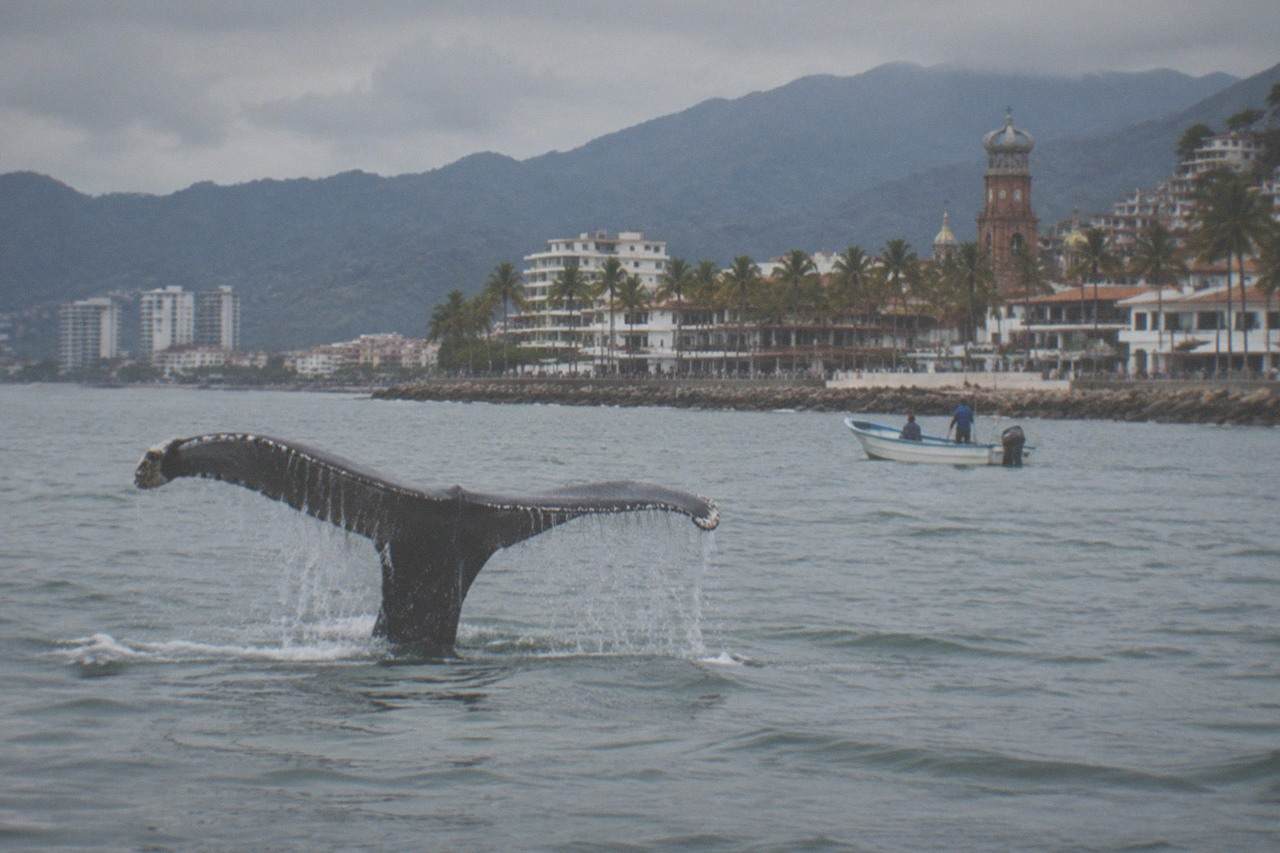
Banderas Bay, the wide inlet fronting Puerto Vallarta, is the best place in Mexico to see whales. Humpbacks return every winter under a federal season that runs roughly December 8 to March 23, sightings averaged about five whales per hour in the record 2025-26 season, and boat tours start from $45. No other Mexican destination combines that reliability with a full resort city behind it.
Mexico asks its whale watchers to make a real choice. The gray whale lagoons of Baja California Sur deliver the country's most famous encounters, small skiffs drifting beside enormous animals, but they sit on a remote desert coast that demands extra flights and a narrow winter window. The Sea of Cortez mixes more species over longer cruises. Both are worth the trip when the trip is built around them.
Most travelers, though, are not building a trip around whales. They are going to a beach city anyway and want the best possible day on the water while they are there, and that is where Banderas Bay has no rival in the country. The humpbacks arrive on schedule, the watching is tightly regulated, and the fleet departs from docks minutes from hotels. For the full local rundown, the Puerto Vallarta whale watching guide covers operators, departure points and what a trip realistically costs.
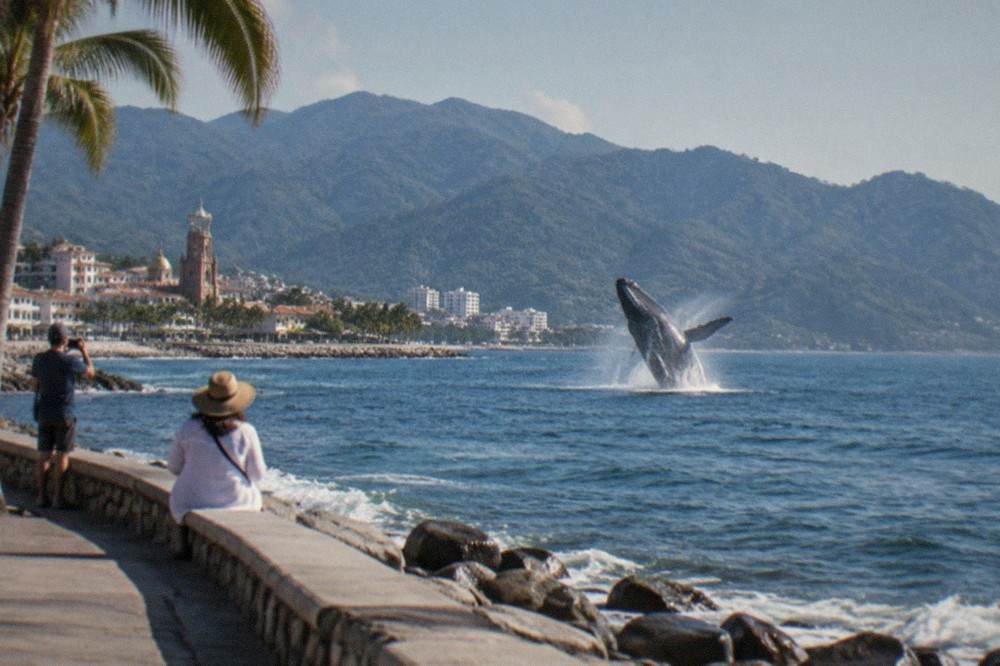
Three tour formats dominate the bay's whale scene: a short, cheap three-hour trip, a catamaran with food and drinks included, and a premium mega yacht that ends with a sunset run home. The comparison below works through Mexico region by region first, then the season, the rules that protect the animals, and finally which of those three formats fits which kind of visitor.
Why Is Banderas Bay The Best Place To See Whales?
Shelter explains most of it. The bay's warm, protected water is where humpbacks breed and give birth each winter, so whales linger instead of passing by, and NOM-131 rules set approach distances of 60 to 80 meters and a 30-minute cap per pod, keep the experience orderly. Few regions protect a calving ground this well.
Start with the geography. Banderas Bay is a deep, enclosed inlet shielded from the open Pacific, and its warmer, calmer water is exactly what humpbacks look for after the long migration down the coast. Whales do not simply transit the bay the way they pass headlands elsewhere in Mexico. They stay for months, and the restricted zones the government maintains around Islas Marietas and along the coast exist precisely because mothers and calves are part of that population.
Then comes the rulebook, which is stricter here than almost anywhere else in the country. Watching is governed by NOM-131-SEMARNAT-2010, a federal standard that caps boat speeds near whales, limits how long any vessel can stay with a pod, and requires certified crews to fly an identifying flag. Profepa runs enforcement patrols on the water. For a visitor, the practical effect is that operators work the same disciplined playbook rather than racing each other to an animal.
Access is the third pillar. Most tours run three to four hours, with premium and sail options stretching toward five, and they leave from Marina Vallarta, the bay's main hub, plus Nuevo Vallarta, Punta Mita, La Cruz and Los Muertos Pier in the Romantic Zone. No domestic connection, no long transfer, no charter arrangement. You walk to a dock.
The format that shows the bay off best is the premium one. Chica Locca Tours' mega yacht whale watching cruise holds a 4.7 rating from 103 reviews, starts from $110, and stacks the whale hours against a sunset finish on the way back to port, the pairing that makes a watching trip feel like an evening out rather than an excursion. Check availability once your dates are firm, since premium formats sell out first in peak weeks.
That sunset leg matters more than it sounds. Morning boats share the corridor with the whole fleet, while the late-day runs thin out, and the bay's west-facing geometry means the light comes to you.
When Is Whale Season In Banderas Bay?
The official window runs approximately December 8 to March 23, dates set by the federal seasonal notice, with peak activity from mid-January to mid-February and sightings continuing into mid-March. The whole season sits inside the November-to-May dry season, so calm water and clear skies come with the whales.
The dates are not folklore. The federal seasonal notice published for 2025-26 set the window at exactly December 8 to March 23 for both the Jalisco and Nayarit sides of the bay, and operators point to the same December 8 start for the season ahead, consistent with the long regulatory pattern. The official whale watching notice is where each season's exact dates are fixed.
| Phase | Timing | What to expect |
|---|---|---|
| Season opening | Around December 8 | First waves of humpbacks reach the bay after the coastal migration |
| Peak | Mid-January to mid-February | The busiest weeks for sightings; premium formats book out first |
| Late season | Through mid-March | Sightings continue as whales begin moving out |
| Regulated close | About March 23 | The federal season ends and watching stops for the year |
| Weather backdrop | November to May | Dry season: minimal rain and calmer mornings |
The timing is not an accident of biology alone. Whale season sits squarely inside the dry stretch that seasonal analysis of Puerto Vallarta weather places from November through May, and it begins only days after the official Eastern Pacific hurricane window, May 15 through November 30 per NOAA's Eastern Pacific season definition, shuts for the year. The rainiest, most volatile months are behind you when the whales arrive. If you are matching a whole itinerary to the calendar, the best time to visit Puerto Vallarta breaks down the trade-offs month by month.
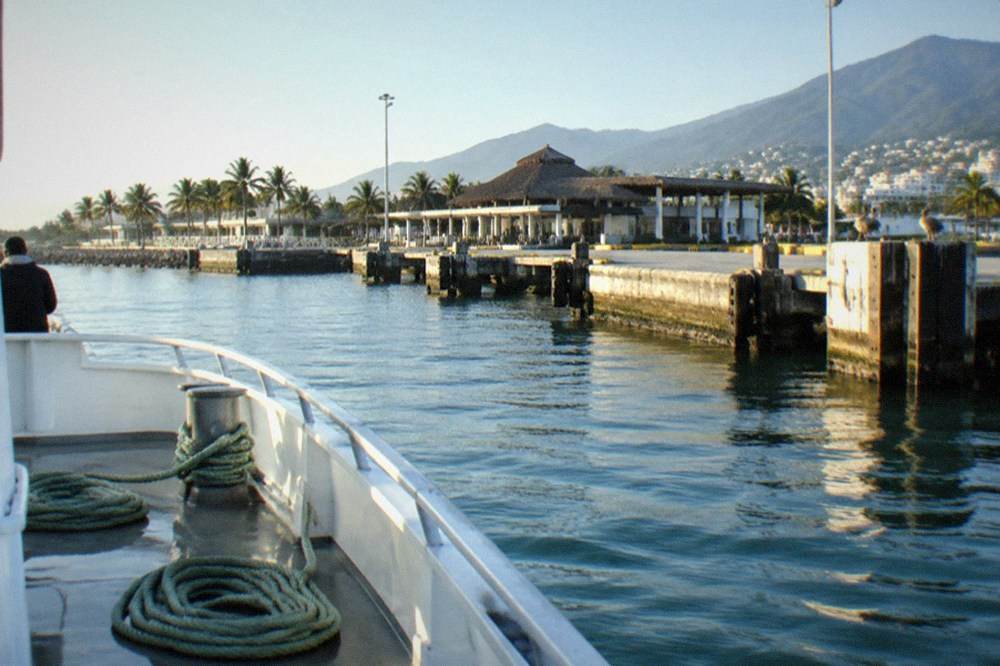
A record season does not guarantee a record repeat, but it does tell you what the ceiling looks like. Even an ordinary year in this bay means regular sightings across a three-month window, which is more than most destinations can promise.
What Are The Other Whale Watching Hotspots In Mexico?
Baja California Sur's lagoons are the answer for gray whales and close skiff encounters, and the Sea of Cortez mixes more species over longer trips. For dependable humpback watching from a full-service resort city, with a short boat ride and a regulated fleet, Banderas Bay beats them on convenience without giving up the whales.
The Baja lagoons deserve their reputation. Gray whales come to these sheltered desert waters to calve, and the local operators run small fishing skiffs rather than tour boats, which is how the close-encounter stories exist at all. It is a genuinely singular experience, and anyone whose heart is set specifically on gray whales should make the pilgrimage. The cost is logistics: remote towns, extra flights, and a compressed window when the lagoons are accessible.
Los Cabos and the Sea of Cortez offer a different profile. Humpbacks work the waters off the cape in winter, and longer cruises up the gulf encounter a wider mix of species. The trade-off is dispersion: bigger water, longer rides, and sightings spread across more miles of ocean than a compact bay provides.
| Region | Signature experience | Trade-off against Banderas Bay |
|---|---|---|
| Baja California Sur lagoons | Gray whale mothers and calves viewed from small skiffs | Remote desert coast; extra flights and a compressed winter window |
| Los Cabos and the Sea of Cortez | Humpbacks off the cape and mixed species on longer gulf cruises | Bigger water, longer boat rides, sightings spread out |
| Banderas Bay, Puerto Vallarta | Humpbacks under a 60-to-80-meter rulebook, tours from $45 | Winter only; no whales from late March to early December |
The honest verdict is that Mexico does not have one best whale place, it has one best whale place per traveler. If the gray whale dream is the dream, Baja. If species variety on a liveaboard-style cruise appeals, the Cortez. For everyone else, which is most people, the bay that combines reliable humpbacks, a certified fleet and a major airport wins outright.
Which Puerto Vallarta Whale Watching Tour Should You Book?
Match the format to your budget and stomach. The three-hour whale watching and snorkeling trip starts from $45, the catamaran with open bar and meals starts from $85 at 4.8 from 30 reviews, and the mega yacht sunset cruise starts from $110 at 4.7 from 103 reviews. All three operate inside the same December-to-March window.
The price ladder is wide because the experiences are genuinely different. A three-hour sprint, a floating lunch, and an evening on a yacht are three separate products that happen to share a whale corridor.
| Tour | Price from | Rating | Best for |
|---|---|---|---|
| Mega Yacht Whale Watching & Sunset Cruise | $110 | 4.7 from 103 reviews | A full-evening format with the sunset ride home |
| Catamaran Whale Watching, Open Bar & Meals | $85 | 4.8 from 30 reviews | Families who want food and drinks included |
| Whale Watching & Snorkeling, 3 Hours | $45 | Rating on the listing | A short, low-commitment first taste of the bay |
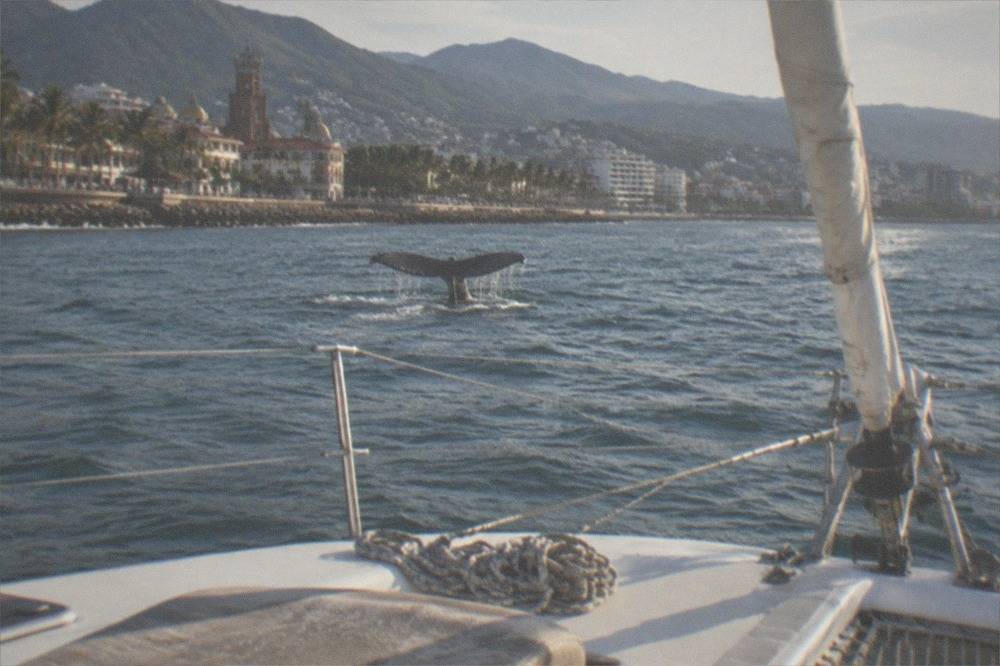
The catamaran run by Mike's Fishing & Tours is the middle rung done properly, with the open bar and meals its name promises and a 4.8 rating. Thirty reviews is a small sample, so read a handful before you book rather than trusting the number alone; the rating is real but the pool behind it is thin. At from $85 it is the natural family pick, since feeding everyone is handled the moment you step aboard.
The entry point is the three-hour whale watching and snorkeling trip from Travel Vallarta, from $45, on a brand-new listing whose rating and review count are on the listing rather than established yet. Its snorkeling segment runs separately from the watching, as it must, since swimming with whales is prohibited under the federal rules. For a traveler who wants to test whether boat days agree with them before committing an evening or a budget, it is the sensible first move.
What Rules Keep Whale Watching Safe In Mexico?
NOM-131-SEMARNAT-2010 governs whale watching in Banderas Bay: authorized boats hold to 60 meters for small vessels and 80 meters for larger ones, unauthorized craft stay 240 meters back, approaches come from the rear or side at under 5 knots, and no boat spends more than 30 minutes with a group.
The standard is national in name but bites hardest here. Certified operators display an official whale watching flag with identification numbers showing their crews are trained, a detail worth checking on the dock. Boats approach from behind or alongside rather than head-on, slow to under 5 knots, and rotate off a pod within the 30-minute cap, with limits on how many vessels may work the same group at once.
The rules also draw hard lines around the sensitive parts of the bay. A restricted 1.5-kilometer radius around Islas Marietas and a coastal strip running from Punta Mita to the Río Ameca mouth carry tighter controls during mother-and-calf presence, and swimming or snorkeling with the whales is prohibited outright. Enforcement is not theoretical; Profepa runs operative patrols on the water during the season.
For a visitor, the regulation is the quiet selling point of the whole destination. It is also why a listings site like Tours in Puerto Vallarta can recommend the bay's whale products with confidence: the reviews behind them describe crews working inside an enforced framework, not freelancing around exhausted animals. A whale trip here is one of the few wildlife experiences where more rules genuinely mean a better show.
What Time Of Day Are Whales Most Likely To Be Seen?
Whales surface all day, and no rule favors an hour. Morning departures are the standard because the bay is calmest then, conditions are better, and the main departure points, led by Marina Vallarta, send most trips out early. Book the morning slot for conditions, not because the whales keep a schedule.
The honest framing matters here, because plenty of marketing implies a magic hour. Humpbacks in this bay feed, rest and travel across the whole day, and the record season's monitoring trips logged concentrated activity without a clock pattern attached. What mornings reliably deliver is flatter water, better light for photography and a sea state that agrees with uncertain stomachs. The deeper dive into the question, including what the season's data does and does not show about timing, is in what time of day whales appear.
Practically, the choice of hour is really a choice of format. Morning belongs to the short trips and the catamarans; late afternoon belongs to the sunset runs, which trade the calmest water for the best light of the day and a thinner crowd on the water. If whales are the sole priority, go early. If the evening is the point, the sunset formats give up very little.
That closes the loop on the original question. The best place in Mexico to see whales is the bay you can reach, in the window the federal notice protects, on a boat that follows the rulebook, and for most travelers that sentence ends in Banderas Bay.
Common Questions About Whale Watching In Mexico
Where Is The Best Place In Mexico To See Whales?
Banderas Bay at Puerto Vallarta. The bay holds a dependable population of humpbacks from about December 8 to March 23 under federal regulation, sightings ran near five whales per hour in the 2025-26 season, and tours leave from a major resort city with no extra flights required.
When is whale season in Puerto Vallarta?
The official window runs approximately December 8 to March 23. Peak activity lands between mid-January and mid-February, with sightings continuing into mid-March before the season closes.
How close can boats get to the whales?
Authorized vessels hold 60 meters when under 10 meters long and 80 meters when larger, approaching from the rear or side at under 5 knots. Unauthorized craft must stay 240 meters away, and no boat may spend more than 30 minutes with a group.
Can you swim with whales in Banderas Bay?
No. Swimming and snorkeling with whales are prohibited under the federal whale watching rules. Tours that include snorkeling keep that segment separate from the watching.
What kind of whales are in Banderas Bay?
Humpback whales are the species the whole season is built around. Mothers and calves are part of the population, and the rules include restricted zones around Islas Marietas and along the coast precisely to protect them.