What To Bring On A Marietas Islands Tour
A practical packing list for a Marietas Islands tour: what to wear, what fees to carry, what the park rules require, and what to leave on the boat.
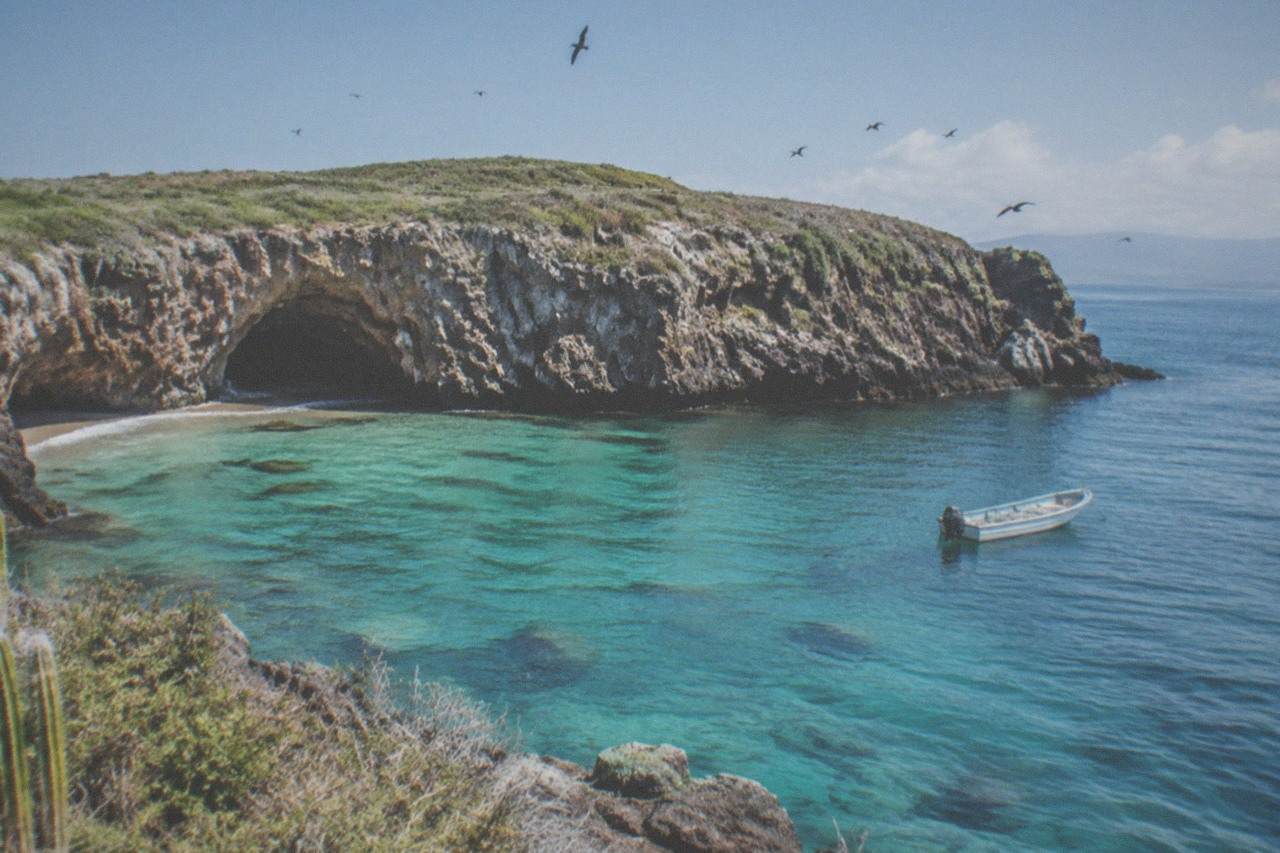
What To Bring On A Marietas Islands Tour
Bring a small dry bag with reef-safe sunscreen, a towel, a hat, swimwear already on, a light layer for the boat ride, cash for the park wristband, motion-sickness remedies if you are prone, water shoes, and your booking confirmation. Life jackets are mandatory in the water and are provided by the operator, so leave your own at home.
That is the short version. The longer version is about matching your bag to how the day actually unfolds, because a Marietas tour is really three different environments stacked into one outing: a boat crossing of 45 to 60 minutes or more from Puerto Vallarta, a protected national park with federal rules, and a beach-and-snorkel stop where everything you packed either proves useful or dead weight.
Start with the bag itself. A small, soft dry bag or a zippered beach sack beats a hard-sided suitcase on a panga or catamaran deck, where space is shared and spray is a fact of life. Operators on the Banderas Bay run small-group snorkel tours with passenger counts often capped around 12 to 13, so there is no luggage rack and no spare seat for a bulky bag. Pack as if your bag will sit at your feet, wet, for six hours.
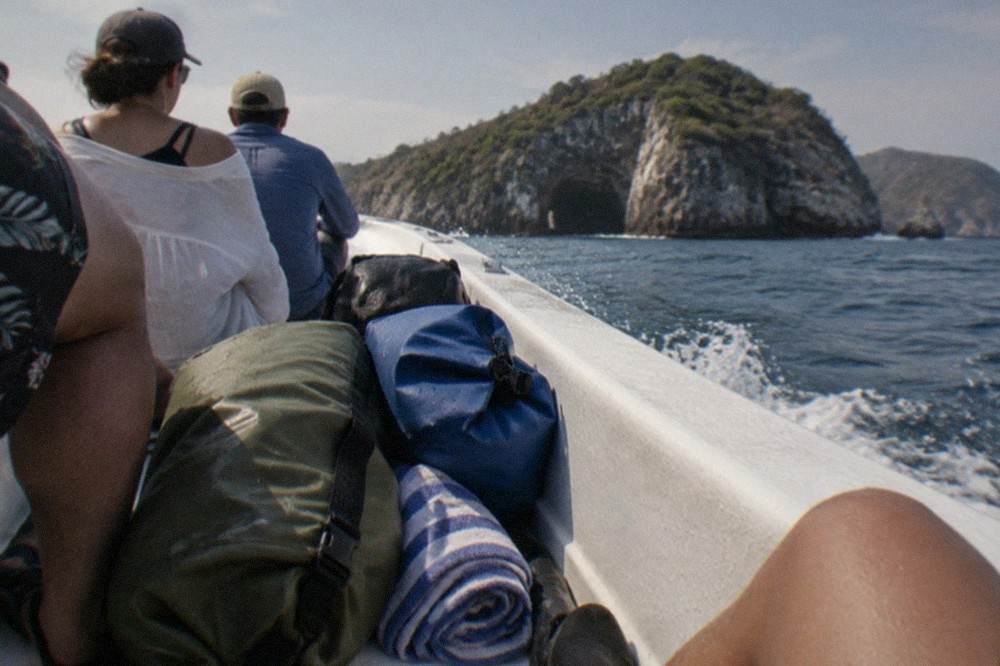
The core list below covers the essentials that apply to nearly every Marietas departure, whether you leave from Puerto Vallarta, Nuevo Vallarta or the short 15-minute crossing from Punta de Mita.
| Item | Why it earns its spot in the bag |
|---|---|
| Swimwear worn on the boat | No changing rooms mid-bay; board the boat ready to swim |
| Reef-safe sunscreen | Applied before boarding, since reapplying dry on a rocking deck is a hassle |
| Towel, compact and quick-dry | Boat decks stay wet all day |
| Hat with a strap | Banderas Bay sun is strong even in the morning departure window |
| Sunglasses with a retainer cord | Wind and spray take loose pairs overboard |
| Light long-sleeve layer | The return leg can be breezy and cool, especially December through March |
| Water shoes or strap-on sandals | Rocky landings and urchin-adjacent shallows at snorkel stops |
| Cash, small bills | The park wristband fee and crew tips are cash transactions |
| Motion-sickness remedy | The open-water crossing is the single most common complaint on review listings |
| Booking confirmation, digital or printed | Speeds up check-in at the marina or meeting point |
A note on the confirmation: most operators check you in by name against a manifest, but having the booking reference on your phone cuts the check-in line to seconds, which matters when the boat leaves on schedule and the next one is hours away. If you are still comparing operators, the flagship Marietas Islands National Park Full-Day All-Inclusive from Chica Locca rates 4.8 from 771 reviews and starts from $120, and there are solid Los Arcos alternatives if you want a shorter, cheaper snorkel day on the same bay. Our Tours in Puerto Vallarta hub breaks the whole roster down by category.
For readers choosing between the full day at Marietas and a shorter Los Arcos run, these are the three boats this packing list fits best, and the same bag works for all of them:
What Should You Wear On The Boat And In The Water?
Wear your swimwear under your clothes, keep footwear minimal and quick to shed, and add one warm layer for the crossing. Board the boat already suited up, because there is nowhere private to change once underway, and the ride out can be windy enough that dry clothes feel very good afterward.
The dress-code logic on a Marietas tour is simple: everything you wear should work wet, dry, salty and sandy without complaint. Board shorts or a swimsuit under a sundress or a t-shirt and shorts is the standard move. Rash guards are quietly the best single garment for this trip, since they double as sun protection in the water, reduce chafe against a life jacket, and dry fast on the ride home. The life jacket itself is not optional: park rules make life jackets mandatory in the water at Islas Marietas National Park, and visitors must stay with guides or park rangers while swimming. Operators provide them, so your job is simply to fasten one that fits.
Footwear deserves more thought than most packing lists give it. You will be barefoot or in sandals on the boat, and the snorkel stops around the islands involve volcanic rock rather than powder sand. Thin-soled flip-flops are fine for the boat and useless in the water; strap-on water shoes handle both. Whatever you choose, it should be something you can kick off and stuff in a mesh pocket with one hand while holding a rail with the other.
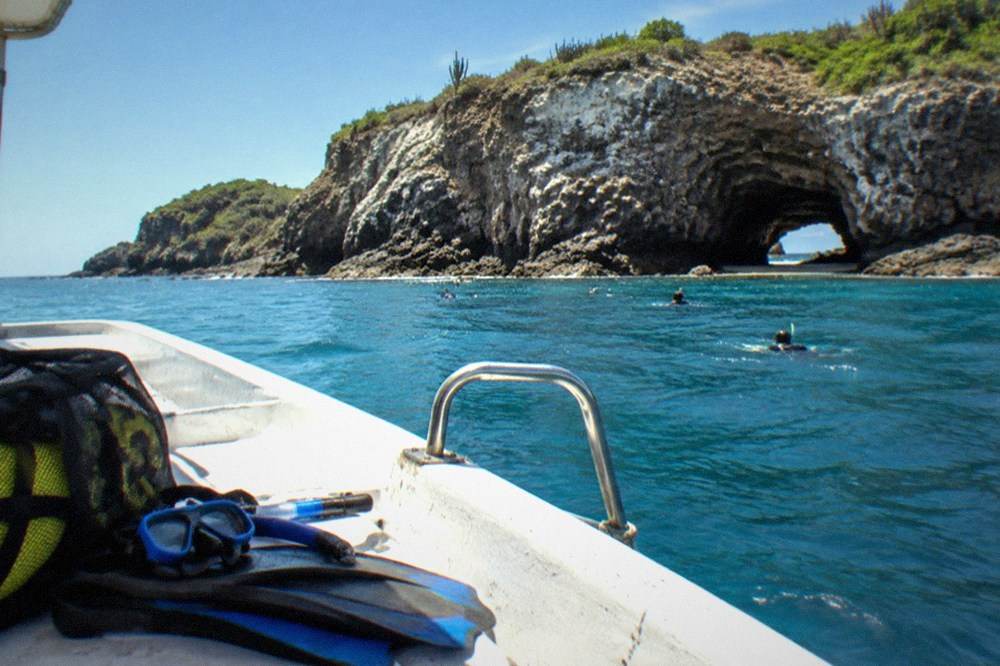
Sun protection is the item people regret skimping on more than any other. The bay sits at a low latitude with strong midday UV, and a full-day tour spends hours on open water with reflection off the surface doubling your exposure. Apply reef-safe sunscreen before boarding and again at lunch, wear the hat and the layer, and reapply lip balm with SPF. Guests on the flagship Marietas tour often single out the attentive crew and a well organized day, but the sunburn complaints in review sections are almost always about people who treated the crossing like a short ferry ride.
If you are weighing which boat to book, this is the decision moment:
The flagship is also the friendliest packing proposition on the roster. Because the all-inclusive format covers lunch and drinks aboard, it trims your list further: you do not need to carry food or a water bottle for the crossing, only whatever you want between scheduled servings, and a dry bag stays light enough to live at your feet all day.
If you prefer to compare formats and prices before committing, the guide to Marietas Islands tour options walks through the full-day, catamaran and snorkel-focused variants side by side.
What Documents, Cash And Fees Do You Need?
Carry cash for the $125 MXN per person per day park entrance fee, paid via the official conservation wristband, plus your booking confirmation and photo ID. Children under 12 are exempt from the fee, and seniors, people with disabilities, and students or teachers with valid ID can get discounts, so bring documentation if one applies to your group.
The fee system at Islas Marietas is unlike most beach stops in the region. Entry to the national park is paid through the "Brazalete de la Conservación," a conservation wristband that costs $125 MXN per person per day and is collected as part of licensed tour access. You cannot buy your way in independently: only federally licensed operators with permits may bring visitors into the park, and no private boats or do-it-yourself access is allowed. In practice, most tours fold the wristband logistics into the day, but you should confirm with your operator whether the fee is included in your ticket price or collected separately in cash, and carry the cash either way.
The official park page for Islas Marietas, managed by CONANP, is the primary source for the wristband fee, the opening hours and the discount categories, and it is worth a glance before you travel: CONANP Islas Marietas National Park.
Beyond the wristband, bring your passport or a photo ID, not because the park checks it, but because your operator may verify the booking name and because marina check-ins occasionally ask. If you booked a hotel pickup, keep the operator's meeting instructions handy: pickup logistics vary by operator, and our piece on hotel pickup on Puerto Vallarta tours explains how that part usually works. Tipping deserves a line in the cash plan too; crew tips on boat tours in the bay are customary and cash-only, and the standard ranges are covered in our tipping guide for Puerto Vallarta tour guides.
What Is Not Allowed Inside The National Park?
Two rules are confirmed and enforced: life jackets are mandatory in the water, and alcohol is prohibited inside the park. Beyond those, do not pack around rumors of banned items, because the only verified prohibitions are the life jacket requirement, the no-alcohol rule, and the requirement to stay with your guides or park rangers.
This is where a lot of packing lists on the internet go wrong, so it is worth being precise. The verified federal rules for Islas Marietas are: mandatory life jackets in the water, no alcohol inside the park, visitors staying with guides or rangers, and access only through licensed operators. The fee and hours are as described above. Anything else you may have read, about specific sunscreen brands being banned, single-use plastics being prohibited, or swim fins being required or forbidden, requires a life jacket in the water, bans alcohol, and asks visitors to stay with guides.
What does that mean for your bag? Pack reef-safe sunscreen because it is the right thing for a coral reef and because Banderas Bay operators increasingly expect it, not because a ranger will confiscate your bottle. Do not plan to bring a cooler of beer onto the beach, since the alcohol rule is real and applies inside the park boundary, and tours that advertise open bars serve them aboard the vessel. And if your tour includes the Hidden Beach at Playa del Amor, know that access there runs through a buoy-marked corridor with the caps and time limits described above, so the packing implication is simple: everything you bring ashore, you carry through a swim or a tight landing. Less is more.
For snorkel gear, most tours provide masks, snorkels and fins as part of the ticket. Bring your own only if you have a mask that fits your face well, since a leaking rental mask is the difference between a great hour over the reef and a frustrating one. If you wear glasses, contact lenses are the standard answer; masks with prescription lenses exist but are niche.
If a full day at Marietas sounds like more boat than your group wants, a Los Arcos alternative keeps the snorkel experience closer to shore:
The Los Arcos 5 Islands boat tour rates 4.6 from 389 reviews and starts from $48, and the wider Los Arcos roster includes a 4.7-rated option from 1,347 reviews at the same entry price, so the shorter bay trip is easy to slot into a lighter packing day. Our Los Arcos snorkeling tour guide covers that park's own rules and fees.
How Should You Pack For Weather, Seas And The Return Ride?
Pack a dry bag for electronics, a warm layer for the return leg, and motion-sickness remedies taken before departure. The dry season from November to May brings calmer, clearer conditions, while June through October means warmer water but possible post-rain visibility drops, and the crossing itself is the part of the day most likely to test your stomach.
Sea state matters more than most first-timers expect. The crossing from Puerto Vallarta to the islands runs roughly 45 to 60 minutes or more, and even on a calm day a catamaran or panga pitches enough to turn a confident passenger green. The remedies that work are the ones taken early: tablets or acupressure bands applied a half hour before boarding, a light breakfast rather than a heavy one, and a seat near the center of the boat where motion is least. If you are prone to motion sickness, book a morning departure, when Banderas Bay is typically at its calmest, and our piece on what happens if it rains on a Puerto Vallarta tour covers the seasonal side of that decision in more detail.
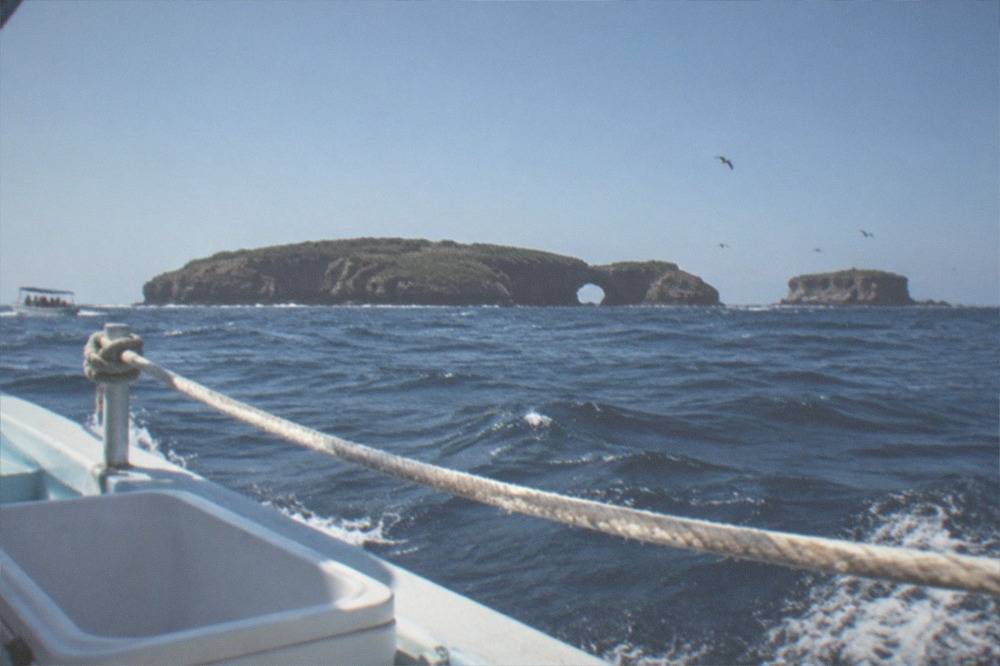
Electronics deserve the dry bag treatment regardless of season. A phone in a ziplock inside the dry bag survives a boarding splash; a phone in a back pocket does not. If you want photos on the water, a lanyard case is the pragmatic choice, and a towel wrapped around the dry bag's contents handles the condensation problem. GoPro-style cameras and floating straps earn their space; full camera kits with interchangeable lenses mostly stay in the cabin and stay hot.
The seasonal angle is worth one paragraph of your planning time. The dry season, roughly November through May, is the window for the clearest water and the most dependable crossings, while the Eastern Pacific hurricane season runs May 15 through November 30 with peak risk in August through October, per NOAA's official tropical cyclone climatology. None of that changes the packing list much: the warm layer matters most in the December-to-March whale months, when the same bay that serves your Marietas tour also hosts humpbacks under federal observation rules, and extra water matters most in the hot months. If your dates overlap whale season, our Puerto Vallarta whale watching tours guide explains how the two outings stack in one week.
For families, three additions round out the list: a spare dry outfit for small children, snacks that survive heat, and a float-friendly toy or nothing at all, since the beach time is short and the water is the attraction. The fee exemption for children under 12 makes the cash math lighter for families, but the wristband still applies to everyone aboard a licensed tour.
Before you zip the bag, here are the three tour options this article has been built around, side by side:
Common Questions About Marietas Islands Tour Packing
What To Bring On A Marietas Islands Tour?
A small dry bag with swimwear worn on the boat, reef-safe sunscreen, a towel, a hat, a light warm layer, water shoes, motion-sickness remedies, cash for the $125 MXN park wristband, and your booking confirmation. Life jackets are mandatory in the water and are provided by the operator, so do not pack your own.
Do I need to bring my own snorkel gear or life jacket?
No. Licensed Marietas operators provide masks, snorkels, fins and the mandatory life jackets as part of the tour. Bring your own mask only if you have one that fits you well, and expect to wear the operator's life jacket whenever you are in the water, since park rules require it.
Is the park entrance fee included in my tour price?
It varies by operator. The fee itself is $125 MXN per person per day, paid via the official conservation wristband, with children under 12 exempt and discounts for seniors, people with disabilities, and students or teachers with valid ID. Confirm with your operator whether it is bundled into your ticket or collected in cash on the day, and carry small bills either way.
Can I bring alcohol to the beach at the islands?
No. Alcohol is prohibited inside the national park. Tours that advertise open bars serve drinks aboard the boat only, and anything you bring ashore must be alcohol-free.
What should I not bother packing?
Skip your own life jacket, heavy hard-sided bags, glass bottles, bulky towels, and full camera rigs. There is no changing room aboard most vessels, no luggage storage, and the beach stop is short, so everything you bring needs to survive wet decks and fit at your feet.
Does the time of year change what I bring?
Slightly. December through March, add a warmer layer for the breezy return leg and note that whale season overlaps your dates. June through October, expect warmer water but possible visibility drops after rain, and pack extra water. The core list stays the same year-round.